


Need help?
+971 6 744 1599
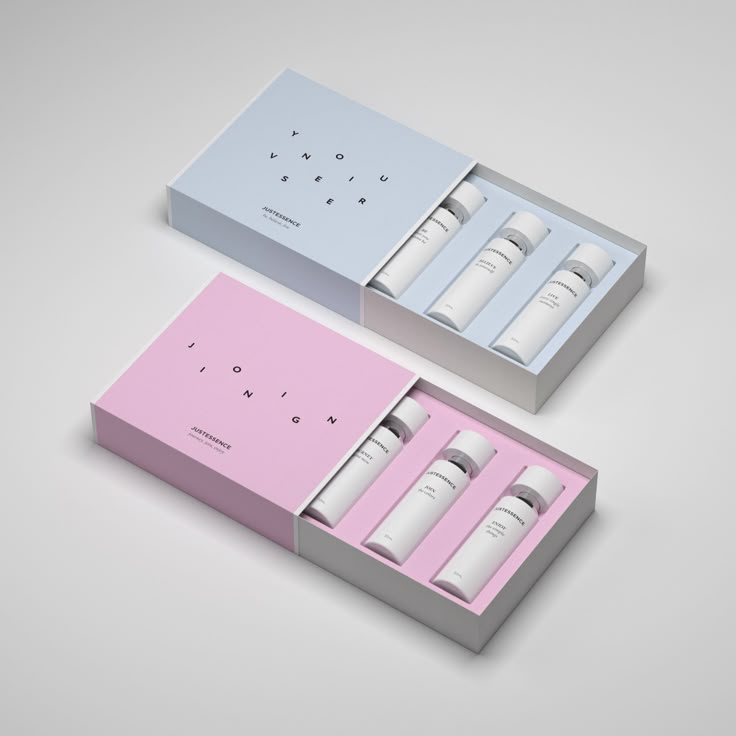
In the world of beauty and personal care, Perfumes and Cosmetics Packaging is more than just a protective layer, it’s the very first impression a customer forms about a product. Packaging not only safeguards delicate formulas but also defines brand identity, luxury perception, and sustainability values. Whether it’s the sleek design of a perfume bottle or the elegant tube of a face cream, every material choice plays a crucial role in shaping how a brand communicates with its audience.
From glass and plastic to metal and eco-friendly alternatives, the best materials for Perfumes and Cosmetics Packaging depend on the type of product, target market, and brand positioning. In this article, we’ll explore the most popular packaging materials, their advantages, and how they contribute to the overall performance and appeal of cosmetics and perfumes.
The packaging material is not just a design choice, it’s a strategic decision that affects product safety, shelf life, sustainability, and consumer perception. Here’s why material selection is so critical:
When these factors align, the result is packaging that both protects and promotes the product effectively.
When it comes to Perfumes and Cosmetics Packaging, glass remains the gold standard, especially in the fragrance industry.
Applications: Perfume bottles, facial serums, essential oils, and premium creams.
Modern Innovations: Today’s cosmetic brands are embracing frosted glass, colored glass, and UV-protected coatings to preserve product quality while maintaining aesthetic sophistication.
Plastic remains one of the most commonly used materials in Perfumes and Cosmetics Packaging due to its flexibility, durability, and design versatility.
Many brands are transitioning to PCR (Post-Consumer Recycled) plastics or bioplastics made from renewable sources like sugarcane or corn to reduce their carbon footprint.
Metal packaging, typically aluminum or tin, is making a strong comeback in Perfumes and Cosmetics Packaging due to its durability and recyclability.
Applications: Perfume caps, lipstick cases, compact mirrors, and deodorant containers. Metal finishes such as matte, brushed, or polished effects enhance tactile appeal, reinforcing brand exclusivity.
While not suitable for direct product containment, paperboard plays an essential role in outer packaging for Perfumes and Cosmetics Packaging.
Applications: Perfume boxes, compact cases, makeup palettes, and secondary cartons for skincare products.
Many luxury brands now use FSC-certified paper and minimal ink printing to promote eco-friendly practices without compromising beauty or quality.
Acrylic (PMMA) has become a popular alternative to glass for high-end Perfumes and Cosmetics Packaging due to its crystal-clear appearance and durability.
Applications: Perfume caps, foundation bottles, cream jars, and luxury cosmetic containers.
With sustainability driving modern packaging trends, brands are exploring new materials for Perfumes and Cosmetics Packaging that reduce environmental impact.
Consumers increasingly prefer brands that incorporate these sustainable elements, making eco-friendly packaging both a moral and strategic choice.
The best Perfumes and Cosmetics Packaging strikes a balance between visual appeal, practicality, and eco-consciousness. Brands must consider factors such as:
For instance, luxury perfume lines might prioritize glass and metal for elegance, while natural skincare brands opt for biodegradable or recycled materials to emphasize environmental responsibility.
The future of Perfumes and Cosmetics Packaging is rooted in innovation—from smart packaging with QR codes for authenticity checks to biodegradable containers that leave zero waste behind. Technologies like 3D printing, airless pump systems, and nano-coating barriers are shaping the next generation of beauty packaging, making it more efficient and sustainable.
Brands are also experimenting with minimalist and transparent packaging styles to reflect purity, simplicity, and honesty in product formulations.
Conclusion:Choosing the right material for Perfumes and Cosmetics Packaging is a decision that directly influences brand identity, sustainability goals, and product integrity. Glass continues to dominate luxury segments for its elegance and purity, while plastic and acrylic offer flexibility and affordability. Metal, paperboard, and eco-materials are reshaping how brands communicate environmental responsibility without compromising aesthetics.
Ultimately, the best packaging is one that reflects the brand’s values, resonates with customers, and supports a sustainable future. As beauty brands continue to evolve, their packaging must too—embracing innovation, responsibility, and timeless design.

Ajman, United Arab Emirates
+971 6 744 1599