


Need help?
+971 6 744 1599
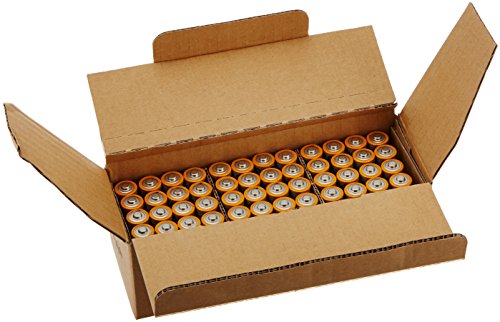
In today’s tech-driven world, batteries are everywhere from smartphones and laptops to electric vehicles and industrial equipment. As their usage expands, so does the need for battery packaging that ensures not just convenience and efficiency, but also safety. With the rise in portable electronics and energy storage systems, proper battery packaging has become a critical factor in preventing short circuits, leaks, and even fire hazards.
Let’s explore what makes an effective battery packaging solution and the materials and techniques that keep these energy sources safe during storage, transportation, and usage.
Batteries, regardless of their size or type, store chemical energy that can be volatile under certain conditions. Poorly designed or low-quality packaging can lead to:
This is why choosing the right battery packaging is essential for manufacturers, distributors, and consumers alike. The right packaging solution doesn’t just protect the product, it safeguards people, property, and the environment.
To ensure maximum safety, battery packaging must perform multiple roles simultaneously. Some of the most critical functions include:
Mechanical Protection:Packaging must shield the battery from physical impacts, vibration, and compression, especially during transport.
Electrical Insulation:Preventing direct contact between battery terminals or conductive materials is crucial to avoid short circuits.
Thermal Regulation:Proper ventilation and heat dissipation materials help manage temperature and reduce the risk of overheating.
Chemical Containment:In the rare event of leakage, packaging should contain and isolate chemicals to prevent environmental contamination.
Compliance with Safety Standards:High-quality battery packaging must meet international standards like UN 38.3, IEC 62133, and IATA Dangerous Goods Regulations.
Lithium-ion (Li-ion) batteries power most modern devices but are also among the most sensitive to heat and pressure.
Best Packaging Solutions:
Safety Features:
Li-ion battery packaging must also include warning labels and compliance markings for air and sea transport.
2. Alkaline Battery Packaging:These are among the most common household batteries, used in flashlights, toys, and remote controls.
Best Packaging Solutions:
Safety Features:
Since alkaline batteries are relatively stable, the focus is on convenience, branding, and child safety rather than advanced containment.
3. Lead-Acid Battery Packaging:Commonly used in automotive and industrial applications, lead-acid batteries are heavy and contain corrosive electrolytes.
Best Packaging Solutions:
Safety Features:
Packaging for lead-acid batteries must also comply with hazardous material shipping regulations.
4. Nickel-Cadmium (NiCd) and Nickel-Metal Hydride (NiMH) Battery Packaging:These batteries are often used in power tools, emergency lighting, and medical devices.
Best Packaging Solutions:
Safety Features:
NiCd and NiMH batteries are relatively safe, but packaging must still prevent short circuits and maintain consistent temperature.
The choice of material significantly affects the performance, safety, and sustainability of battery packaging. Let’s review the most widely used options:
1. PET (Polyethylene Terephthalate)The best material depends on the battery’s sensitivity, size, and transportation requirements.
As technology advances, battery packaging continues to evolve to meet higher safety and environmental standards. Here are some key innovations shaping the future:
To ensure maximum safety, battery manufacturers and shippers should follow these best practices:
Following these protocols not only safeguards your batteries but also builds customer trust and ensures regulatory compliance.
Working with a trusted battery packaging supplier is essential. Reliable suppliers provide:
A good supplier understands the balance between protection, presentation, and cost — ensuring your batteries reach customers safely and efficiently.
Conclusion:As batteries become more powerful and widespread, ensuring their safety through proper battery packaging has never been more crucial. From blister packs and rigid cases to foil pouches and advanced thermal barriers, the right packaging solution depends on the battery type, application, and logistics needs.
Modern innovations in materials and automation are making packaging both safer and more sustainable, reducing risks while improving performance. By partnering with experienced battery packaging specialists, manufacturers can ensure that their products are not only secure but also compliant, eco-friendly, and customer-ready.
In the end, the best packaging solution for batteries is one that protects people, preserves performance, and promotes trust from production line to end user.

Ajman, United Arab Emirates
+971 6 744 1599