


Need help?
+971 56 460 2001
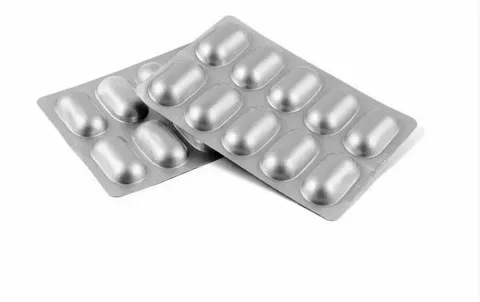
In today’s market, sustainability is no longer optional, it is an expectation. As consumers become more environmentally conscious, every part of a product’s lifecycle is being evaluated, especially its packaging. One of the most widely used packaging formats across industries is Blister packaging, valued for its durability, product protection, and ability to display items clearly on retail shelves. But the growing question is: How eco-friendly is blister packaging? And more importantly, is blister packaging recyclable?
This guide takes an honest, detailed look at the environmental impact of Blister pack packaging, the challenges in recycling, and the innovations that are shaping eco-friendly alternatives. For brands that want to make informed choices, understanding these aspects is crucial.
Before examining sustainability, it helps to understand why Blister packaging remains popular across industries like pharmaceuticals, electronics, cosmetics, hardware, and food.
1. Excellent product protectionBlister packs shield items from moisture, contamination, UV exposure, and physical damage.
2. Tamper-evident designThis is a major requirement in sectors like pharmaceuticals and consumer electronics.
3. Great visibilityClear cavities allow customers to see the product easily, an advantage for retail sales.
4. Cost-effective mass productionOnce the mold is created, mass production becomes economical compared to many other packaging methods.
5. LightweightLess weight means lower transportation emissions, contributing to sustainability in an indirect way.
Because of these advantages, many manufacturers continue to rely on Blister packaging suppliers for secure and versatile packaging solutions.
The short answer: Yes, blister packaging can be recyclable, but not always easily.
Here’s why:
Most traditional Blister packaging is made using PVC (Polyvinyl Chloride) and sealed with aluminum foil or paperboard. While PVC itself is technically recyclable, the combination of materials fused together makes recycling difficult.
What makes it challenging?
The good news:
Many modern Blister packaging suppliers are shifting to PET and RPET, which are far more recyclable and accepted in most recycling programs worldwide.
So, while older forms of blister packs may not be fully recyclable, the industry is actively transitioning to better materials.
To improve sustainability, manufacturers and suppliers are adopting greener options. Some of the most notable innovations include:
1. PET (Polyethylene Terephthalate)Highly recyclable, widely accepted in recycling centers, strong, clear, and lightweight. PET is now one of the most sustainable choices for Blister pack packaging.
2. RPET (Recycled PET)Made from recycled plastic bottles, reduces environmental footprint further, and maintains durability and clarity. Many eco-driven brands specifically request RPET from their Blister packaging suppliers.
3. Paper-based blister packsPaper-based blisters with minimal plastic content are increasingly being used in cosmetics, food, and small electronics.
4. Bio-plastics and compostable materialsThough not yet widely adopted due to cost and performance limitations, research in this area is growing rapidly.
Eco-friendliness depends on several factors:
1. Raw material selectionChoosing PET or RPET over PVC makes a big difference.
2. Manufacturing efficiencyModern blister production uses energy-efficient machinery, reducing carbon footprint.
3. End-of-life recyclabilityThe easier it is to recycle the packaging, the more environmentally friendly it becomes.
4. Lightweight structureLess material usage means less waste and reduced emissions during shipping.
When designed thoughtfully, Blister packaging can indeed be part of a sustainable product lifecycle.
The Shift Toward Mono-Material Blister PacksOne of the biggest innovations in sustainability is mono-material blister packs, meaning: the cavity, the sealing layer, the backing card are all made from the same material, making recycling easier and more efficient.
For example, a blister pack made entirely from PET can be thrown into PET recycling streams without separation. Many forward-thinking Blister packaging suppliers are investing in this technology.
Sustainable Blister Packaging AlternativesIf brands want to take an even more eco-friendly approach, here are alternatives worth considering:
These alternatives help brands align with modern consumer expectations of environmental responsibility.
How Businesses Can Make Blister Packaging More Eco-FriendlyIf your company uses Blister pack packaging, you can take several steps to reduce environmental impact:
1. Use recyclable materialsSwitch to PET or RPET instead of PVC.
2. Minimize mixed-material designsAvoid plastic-aluminum combinations unless absolutely necessary.
3. Choose eco-conscious blister packaging suppliersWork with suppliers who prioritize sustainability in materials, processes, and waste reduction.
4. Optimize designReduce unnecessary thickness or excess material.
5. Educate consumersAdd recycling instructions to the packaging to encourage proper disposal.
Small improvements can lead to significant environmental benefits when done at scale.
Sustainability does not happen by accident. It requires expertise, innovation, and strong partnerships. Leading Blister packaging suppliers:
Working with the right supplier ensures that businesses stay aligned with global sustainability expectations.
Absolutely, but it depends on how it is designed and produced.
Traditional blister packs are not always easy to recycle, but the industry is moving rapidly toward greener solutions. With recyclable materials such as PET, sustainable alternatives like RPET, and innovations like mono-material blister packs, Blister packaging can be both protective and environmentally responsible.
For businesses that want to stay competitive and meet growing consumer expectations, adopting sustainable blister solutions is no longer just an option, it is a strategic necessity.

Ajman, United Arab Emirates
+971 56 460 2001