


Need help?
+971 6 744 1599
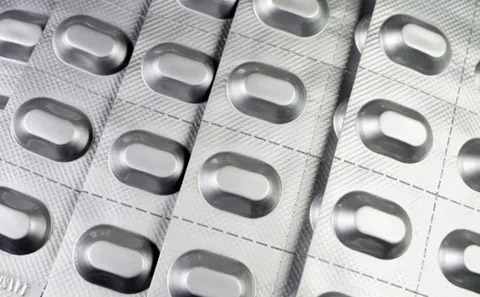
We are all very familiar with blister packaging — the packaging that comes with tablets and small items like batteries, sealed in clear plastic with a backing or packed in a plastic shell. This is called blister packaging. It got its name because of the bubble-like shape that holds the product safely in place. In this type of packaging, the items are clearly visible and also protected from damage.
The Blister packaging is used in many industries like medicines, electronics, toys and cosmetics. Companies prefer it because it keeps the product clean and safe. Products are also easy to store and transport with blister packaging. Customers like it because they can see the product clearly. Nowadays, blister packaging is often made using recyclable materials and has gained popularity as an eco-friendly option. Blister packaging is a favorite of both companies and customers.
There are two types of blister packaging based on the manufacturing type:
Thermoformed blister packagingThis is the most common type of blister packaging. The plastic sheets are heated until they become soft and then shaped to fit the product. Toys, tools and electronics commonly come in this type of blister packaging.
Cold-formed blister packagingAs the name denotes, cold-formed blister packaging does not use heat. It is made from aluminium foil and does not use plastic. This type of blister packaging is mostly used for medicines because medicines must be protected from contamination like sunlight, air, and moisture.
Based on style and design, the following are the types of blister packages:
Clamshell blisterIn this type of blister packaging, two plastic shells are joined to form a clamshell. It is strong, reusable, and provides extra protection for products.
Carded blisterThe product is kept in a plastic bubble attached to a printed card in this type of blister packaging. Items like batteries, pens, and cosmetics use this type of packaging.
Tray blisterThe blister packaging used for small items like pills and screws is called tray blisters. The tray is divided into multiple compartments in which the products are placed.
Hanging blister packTray blisters with hang holes are called hanging blister packs. They are easy to display in shops with this type of blister packaging.
Blister packaging suppliers offer a variety of blister packaging options. Brands choose the right kind of packaging suitable for their product’s safety and presentation. Each style has its own visibility, strong sealing, and ease of storage.
We are very used to seeing tablets and capsules packed in blister strips. This is because it keeps the drug safe from contamination. The pharmaceutical industry is one of the biggest users of blister packaging. With this kind of packaging, patients can take the right dose and the packaging can be made tamper-proof.
Electronics industryThis industry uses blister packaging for items like headphones, chargers, memory cards, and batteries. Customers can see the product and purchase it without opening the package. The blister packaging also protects these products during transport.
Retail and consumer goodsEveryday items such as toothbrushes, pens, toys, and tools come in clean, see-through blister packaging. This type of packaging gives them an attractive look and can be hung on shelves or hooks in supermarkets so customers can find them easily.
Cosmetics industryNot many makeup products use blister packaging, but small beauty tools and sample products do. It helps the products to maintain hygiene.
Food and snacks industryFood products like chewing gum, candies, or snacks sometimes use tray blister packaging for easy access and portion control.
One main advantage is product protection. Blister packaging helps to keep products safe from dust, moisture and physical damage. Especially with medicines, the packaging must protect the drugs from contamination. In the case of electronics and food items, blister packaging prevents tampering so that products safely reach the end user.
Blister packaging is transparent, which improves the chance of sale because customers can see the product’s look, size, and features clearly. This packaging often uses less material compared to boxes and is therefore cost effective. They are lightweight, which reduces shipping costs. Businesses use blister packaging to save money while keeping products secure.
Convenience is another reason for its popularity. Blister packagings are easy to open, carry, and store. They also come in small sizes, making them a good option for travel or portion control. Many blister packages are now made from eco-friendly materials, making them a greener option. Blister packaging usually includes necessary information about the product on a backing card, which companies use for branding, instructions, or safety details.
Blister packaging has many advantages, but it is not without demerits. One main disadvantage is that it cannot be used for all types of products. Items that are very large or too heavy cannot use blister packaging. Items with odd shapes may not fit well in blister packs. In such cases, blister packaging should be substituted with other kinds of packaging.
At times, blister packaging can be hard to open, especially clamshell designs. Customers can be frustrated when they experience difficulty opening them; some blister packages require scissors or other tools, which is not ideal for everyday use. Blister packagings are often made by mixing materials like plastic and foil. Even though many blister packs are recyclable, some are harder to recycle and can harm the environment if not disposed of properly.
For small businesses, setting up custom molds and sealing machines for blister packaging may not be cost effective. Large-scale production is cheaper, but small orders can be expensive. Blister packaging also takes up more shelf space than flexible packaging like pouches or sachets. Additionally, producing blister packaging requires special machines and skills, so not all manufacturers can produce it.
Even with these disadvantages, blister packaging remains in high demand because its merits generally outweigh its drawbacks.

Ajman, United Arab Emirates
+971 6 744 1599