


Need help?
+971 6 744 1599
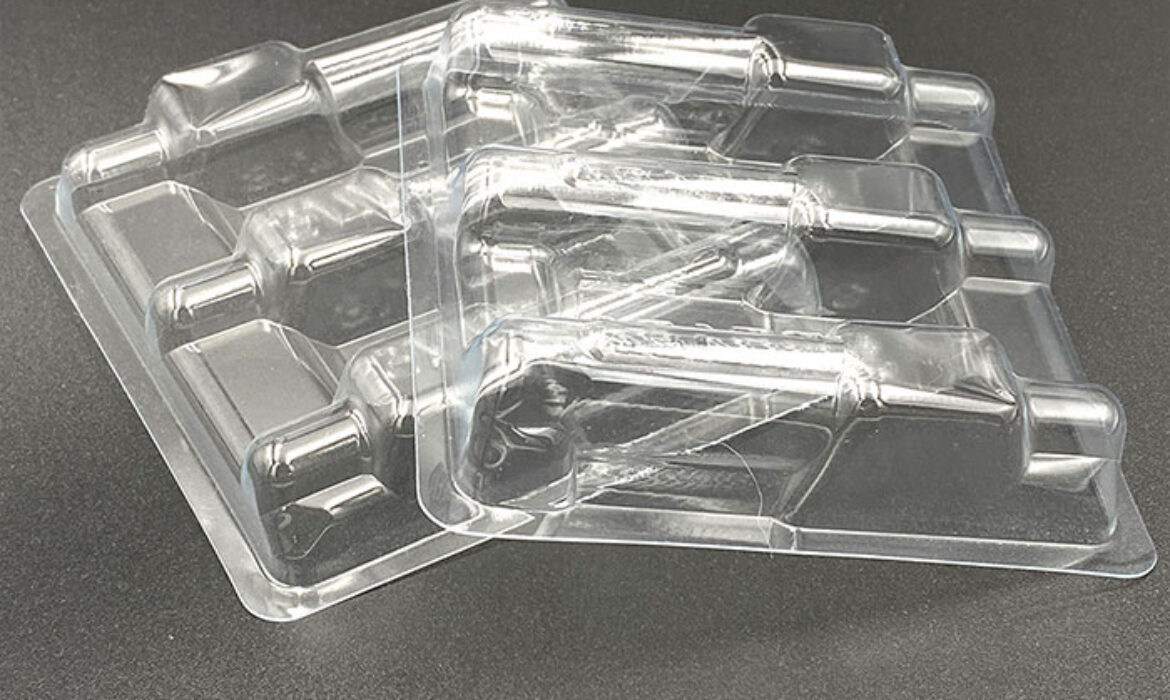
When you pick up a strip of tablets, a pack of chewing gum, or even small electronics in stores, chances are you’re holding blister packaging. It has become one of the most widely used packaging formats in the world because it balances protection, visibility, and convenience. But behind every blister pack lies an important decision: the choice of material.
The materials used in blister pack packaging such as PVC, PVDC, Alu-Alu, and others determine everything from product safety to shelf life. For businesses, understanding these materials isn’t just a technical detail; it’s a strategic decision that impacts costs, compliance, and customer trust.
In this blog, we’ll explore the different types of blister packaging materials, their features, and why working with the right blister packaging suppliers matters.
Blister packaging looks simple at first glance: a cavity or pocket sealed with a backing. But the material chosen for both the cavity and the lidding film must:
Protect the product from moisture, light, oxygen, and contaminants.
Meet regulatory requirements, especially in pharmaceuticals.
Be easy for consumers to use while remaining tamper-evident.
Align with sustainability goals and cost considerations.
This is why businesses rely on experienced blister packaging suppliers who can recommend the right material combination for specific products.
PVC is the most widely used material in blister packaging, especially in pharmaceuticals and retail.
Advantages:
Cost-effective compared to alternatives.
Good clarity, allowing consumers to see the product inside.
Easy to form into various shapes.
Limitations:
Provides limited protection against moisture and oxygen.
Environmental concerns due to its non-biodegradable nature.
Best For: Products with shorter shelf lives or where high barrier protection is not critical.
2. PVDC (Polyvinylidene Chloride) Coated PVCTo overcome PVC’s limitations, suppliers often use PVDC-coated PVC films.
Advantages:
Superior barrier against moisture and gases.
Available in different coating thicknesses to suit product needs.
Extends shelf life significantly.
Limitations:
More expensive than plain PVC.
Still has environmental challenges.
Best For: Pharmaceuticals, especially hygroscopic medicines that degrade quickly when exposed to humidity.
3. Alu-Alu (Cold-Form Foil)Alu-Alu blister packs are made using aluminum foil for both the cavity and the lidding.
Advantages:
Provides the highest protection against light, moisture, and oxygen.
Extends shelf life to the maximum level.
Tamper-evident and durable.
Limitations:
Higher production costs compared to plastic-based blisters.
Less transparency, consumers cannot see the product inside.
Best For: Critical pharmaceutical products like antibiotics, hormones, or expensive drugs that require maximum stability.
4. Aclar Films (Polychlorotrifluoroethylene or PCTFE)Aclar films are often laminated with PVC to create a strong barrier.
Advantages:
Exceptional moisture barrier properties.
Lightweight compared to Alu-Alu.
Transparent, allowing product visibility.
Limitations:
Relatively high cost.
Best For: Pharmaceuticals where visibility and protection must go hand in hand.
5. PET (Polyethylene Terephthalate)PET is gaining popularity as a more sustainable alternative to PVC.
Advantages:
Recyclable and considered eco-friendlier.
High transparency and toughness.
Good resistance to impact.
Limitations:
Barrier properties may still require coatings or lamination.
Best For: Retail blister packaging for electronics, cosmetics, and food items.
6. Combination FilmsMany suppliers now offer hybrid solutions, combining materials to balance cost, protection, and sustainability. Examples include:
PVC/PVDC
PVC/Aclar
PET/PE
These customized films allow businesses to match the exact needs of their products.
Choosing the Right Material: Key Factors to ConsiderWhen deciding between PVC, PVDC, Alu-Alu, or newer options, businesses need to weigh multiple factors:
Product Sensitivity: Hygroscopic medicines? Choose PVDC or Alu-Alu. Non-sensitive consumer goods? PVC or PET may suffice.
Shelf Life Requirements: For longer shelf lives, higher barrier materials like PVDC or Aclar are better.
Cost Constraints: PVC remains the cheapest, while Alu-Alu is the most expensive.
Brand Image & Sustainability: Eco-conscious companies may prefer PET or recyclable options.
Consumer Experience: Transparent blisters for retail, opaque protection for sensitive medicines.
While businesses can research materials, working with experienced blister packaging suppliers is essential. A trusted supplier does more than provide materials—they bring expertise to guide decisions.
Here’s how suppliers add value:
Material Consultation: Helping clients choose between PVC, PVDC, Alu-Alu, or alternatives.
Customization: Designing blister packs tailored to product shapes and branding.
Compliance Assurance: Ensuring packaging meets local and international regulations.
Innovation: Offering sustainable and smart packaging solutions.
At Al Wasl Pack, for example, the focus is not only on supplying blister pack packaging but also on helping businesses adopt solutions that balance performance, sustainability, and cost-effectiveness.
The future of blister packaging is being shaped by three major trends:
Sustainability:More emphasis on recyclable and biodegradable films.
Movement away from PVC toward PET and paper-based alternatives.
Smart Packaging:Materials that integrate with RFID or QR codes for tracking and consumer engagement.
Advanced Barrier Films:Continued development of high-performance laminates to replace Alu-Alu without its drawbacks.
Final ThoughtsBlister packaging may look simple, but the choice of material is critical. Whether it’s cost-effective PVC, protective PVDC, high-barrier Alu-Alu, or newer options like PET and Aclar, each material has its place.
For businesses, the key is not just knowing the differences but working with the right blister packaging suppliers who can recommend, customize, and deliver solutions tailored to specific needs.
In the end, blister pack packaging is more than a container, it’s a safeguard for your product, a reflection of your brand, and an assurance to your customers. And choosing the right material ensures that your packaging lives up to all three.

Ajman, United Arab Emirates
+971 6 744 1599