


Need help?
+971 56 460 2001
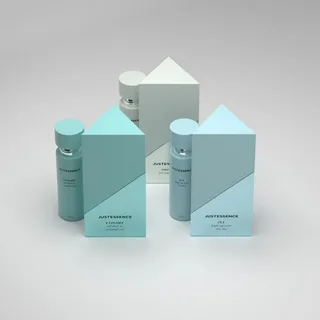
The cosmetics industry has always been shaped by evolving consumer trends, luxurious aesthetics, and intense brand competition. But in recent years, one force has been more influential than any beauty trend or marketing strategy: the global push for sustainability. As we move deeper into 2026, the shift towards sustainable Perfumes and Cosmetics Packaging is no longer a trend, it has become a fundamental requirement for brands of all sizes.
From skincare and personal care to luxury fragrances and makeup, companies are rethinking how they package their products. This shift is not just about complying with regulations or following a trend, it’s about meeting the expectations of a more informed, eco-aware customer base and aligning with global sustainability goals.
In this detailed guide, we explore why brands are switching to sustainable packaging for cosmetics in 2026, what it means for the industry, and how sustainable choices are reshaping everything about perfumes and cosmetics packaging.
1. Rising Consumer Demand for Eco-Friendly Beauty ProductsToday’s consumers, especially millennials and Gen Z, are more environmentally conscious than ever. They want their favorite beauty brands to match their values. Research shows that buyers are actively seeking:
For brands, this means that updated Perfumes and Cosmetics Packaging is no longer optional. Customers want their beauty routines to be clean—not only in terms of ingredients but also packaging.
2. Increasing Pressure from Governments and RegulationsCountries around the world are tightening rules related to single-use plastics, recyclability, and packaging waste. Europe, the Middle East, the US, and parts of Asia have implemented stricter regulations that directly affect cosmetics brands, such as:
The shift to sustainable Perfumes and Cosmetics Packaging helps brands comply with stricter legal requirements while maintaining brand reputation globally.
3. Luxury Industry Adopting Sustainable Design Without Compromising AestheticsOne of the biggest challenges for beauty brands—especially perfume houses—has been aligning luxury aesthetics with sustainability. In 2026, advancements in eco-friendly materials make this easier than ever.
Today, brands can create elegant, premium-looking packaging using:
Sustainable Perfumes and Cosmetics Packaging can be just as beautiful and more meaningful to eco-conscious customers.
4. Growing Popularity of Refillable and Reusable Packaging ModelsRefillable packaging has transformed the cosmetics industry in 2026. What once was a niche idea is now mainstream among skincare, makeup, and perfume brands.
Refillable models support sustainability by:
Examples include:
Brands now understand that packaging plays a direct role in their carbon footprint. Sustainable packaging helps lower emissions through:
In 2026, consumers demand proof, not promises. Sustainable packaging helps brands showcase real environmental progress.
6. The Rise of Minimalist Packaging DesignsMinimalism is now one of the biggest trends in Perfumes and Cosmetics Packaging. Brands are simplifying designs to reduce waste while maintaining elegance.
Benefits include:
2026 brings tremendous innovation in sustainable packaging materials. Key developments include:
Brands adopting these materials strengthen their eco-friendly identity and attract sustainability-conscious customers.
8. Competitive Advantage in a Saturated MarketThe cosmetics industry is extremely competitive. Sustainability has become a major differentiator.
Switching to sustainable packaging helps brands:
Consumers expect transparency and social responsibility. Sustainable packaging enhances brand reputation through:
Trust plays a major role in beauty purchases. Eco-friendly packaging builds credibility.
10. Meeting the Expectations of Global RetailersMajor global retailers such as Sephora, Ulta, Boots, and Carrefour now require more sustainable packaging from the brands they stock.
They expect:
Brands failing to adapt risk losing placement in premium retail stores.
11. Digital Influence and Social Media AwarenessSocial media has amplified sustainability awareness. Eco-conscious influencers highlight brands that use:
Positive digital visibility pushes more brands to adopt sustainable packaging solutions.
Conclusion: Sustainability Is the Future of Cosmetics PackagingAs 2026 unfolds, the cosmetics industry is fully embracing eco-friendly packaging solutions—not only to satisfy consumer expectations but to reduce environmental impact and future-proof their business models.
From refillable perfume bottles to biodegradable skincare containers, sustainable Perfumes and Cosmetics Packaging is reshaping how brands design, produce, and present their products. This shift is not temporary—it is a long-term transformation reflecting a global movement toward responsible beauty. Brands that adapt early will lead the market, earn consumer loyalty, and strengthen their sustainability footprint.

Ajman, United Arab Emirates
+971 56 460 2001