


Need help?
+971 56 460 2001
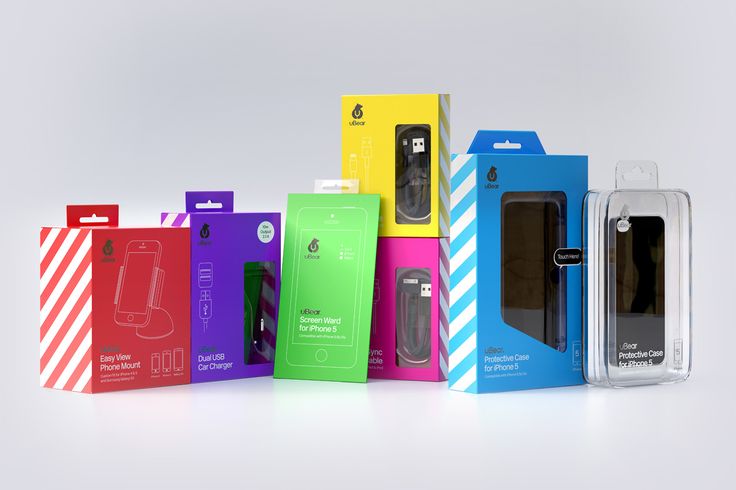
Selecting the right packaging for electronic products is one of the most important decisions a business can make. Electronics are sensitive, high-value, and vulnerable to physical damage, static electricity, moisture, and extreme temperatures. This means ordinary packaging materials will not provide the level of protection required.
The right Electronics Packaging ensures safe transportation, protects internal components, strengthens brand value, and enhances the overall customer experience. Whether you manufacture consumer gadgets, industrial parts, or delicate electronic components, choosing the correct packaging can significantly reduce damage rates and customer complaints while improving product shelf appeal.
This blog explains how to choose the perfect packaging for your electronics based on protection, materials, design, environmental factors, and brand requirements.
1. Understand the Sensitivity and Nature of Your ElectronicsThe first step is to clearly assess what type of product you are packaging.
Ask yourself:
Different electronic products require different Electronics Packaging solutions:
| Product Category | Required Packaging Type |
|---|---|
| Microchips, PCBs | ESD-safe, anti-static bags |
| Mobile accessories | Box packaging with cushioning |
| Laptops and tablets | Foam inserts, rigid boxes |
| Batteries or power banks | Safety-certified, insulated packaging |
| Delicate sensors | Shockproof and anti-vibration packaging |
Understanding your product’s characteristics helps you choose packaging that ensures maximum safety.
2. Prioritize Protection Against Shock and VibrationDuring shipping and handling, electronic products face impacts, drops, vibration, and compression. To prevent internal component failure, your packaging must absorb shock effectively.
Best protective solutions include:
Foam inserts are particularly effective in Electronics Packaging, as they can be custom-cut to the shape of your product for a snug, stable fit.
3. Use ESD (Electrostatic Discharge) Protection for Sensitive ComponentsStatic electricity is one of the most common causes of hidden electronic failures. Sensitive components such as microchips, circuits, and semiconductor parts must be packed using specialized materials.
ESD-safe packaging materials include:
If your product is at risk of electrostatic discharge, standard packaging is not enough — specialized Electronics Packaging is essential.
4. Consider Moisture and Climate ProtectionElectronics can get damaged by humidity, water exposure, or condensation during transportation, especially in long-distance shipping.
To prevent moisture-related issues, use:
For international shipments, moisture control is mandatory because environmental conditions change drastically across regions.
5. Choose Durable, High-Quality Outer PackagingYour outer packaging must be strong enough to endure stacking, handling, and transport stresses.
Most popular materials include:
The right outer layer is the backbone of effective Electronics Packaging and ensures your product remains protected until it reaches the customer.
6. Focus on Brand Presentation and Unboxing ExperienceIn today’s competitive market, packaging is not only functional — it must also reflect your brand’s identity.
Branding elements that influence consumer perception:
For consumer electronics, the unboxing experience can greatly influence customer satisfaction and brand loyalty.
7. Ensure Compliance With Safety and Industry StandardsDepending on the type of electronics, you may need to follow packaging regulations such as:
Following these standards ensures that your Electronics Packaging is safe, approved, and globally acceptable.
8. Consider Sustainable Packaging AlternativesEco-friendly packaging is rapidly becoming a consumer preference, even in electronics.
Popular sustainable options include:
Brands that adopt green Electronics Packaging gain a competitive edge and earn consumer trust.
9. Choose a Supplier With Expertise and Customization CapabilitiesFinally, selecting the right packaging supplier is crucial.
Your supplier should offer:
Working with experts ensures your packaging is not only attractive but also technically sound.
ConclusionChoosing the right Electronics Packaging is a balance of safety, durability, design, branding, and regulatory compliance. Whether you’re launching a new product or improving an existing one, investing in the right packaging ensures your electronics stay protected, enhances customer satisfaction, reduces returns, and strengthens your brand’s reputation.

Ajman, United Arab Emirates
+971 56 460 2001