


Need help?
+971 56 460 2001
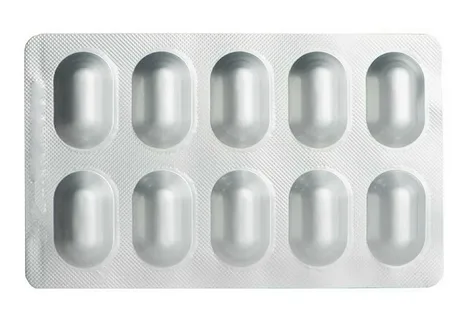
Blister packaging has become one of the most popular packaging formats across pharmaceuticals, electronics, cosmetics, and the food sector. Its durability, visibility, and ability to protect products from damage make it a preferred choice for many brands. But how exactly is Blister pack packaging made?
Here is a clear, step-by-step explanation of the entire manufacturing process, from raw materials to finished packs.
Step 1: Selection of Raw MaterialsThe process begins with choosing the right materials based on the product’s needs. Common materials used in Blister packaging include:
Top Blister packaging suppliers help brands choose the best material for strength, transparency, and barrier protection.
Step 2: Heating the Plastic SheetThe selected plastic sheet is fed into a blister-forming machine. The machine heats the material until it becomes soft and moldable. Precision heating is essential to ensure uniform shaping in later stages.
Step 3: Forming the Blister CavitiesOnce heated, the softened plastic sheet undergoes one of the following forming techniques:
This stage is what gives Blister pack packaging its distinctive hollow pockets that securely hold products.
Step 4: Cooling and TrimmingAfter forming, the blister cavities are cooled to retain their shape. The sheet is then trimmed into individual blisters or blister sheets ready for filling.
Step 5: Placing the Product Inside the BlisterProducts such as tablets, batteries, cosmetics, electronics, or food items are inserted into the formed cavities. Automation ensures accuracy and consistency, especially for high-volume operations.
Step 6: Sealing the BlisterThe formed blister is sealed with a backing material, such as:
Heat-sealing is the most common method. The sealing layer is pressed firmly against the blister to create an airtight, tamper-proof closure, one of the key advantages of Blister packaging.
Step 7: Printing and BrandingMany brands print product information, branding elements, and regulatory details on the backing card or lidding material. This allows Blister pack packaging to serve both protective and marketing purposes.
Step 8: Final Quality InspectionBefore shipping, every batch undergoes quality checks to ensure:
Reliable Blister packaging suppliers adhere to strict quality standards, especially in pharmaceuticals and electronics.
Final ThoughtsUnderstanding how Blister packaging is made helps brands appreciate its efficiency, safety, and cost-effectiveness. From precise thermoforming to airtight sealing, Blister pack packaging offers a dependable solution for protecting and presenting products across many industries.
Whether you’re launching new products or upgrading your packaging, partnering with experienced Blister packaging suppliers ensures consistent quality, customization, and compliance.

Ajman, United Arab Emirates
+971 56 460 2001