


Need help?
+971 6 744 1599
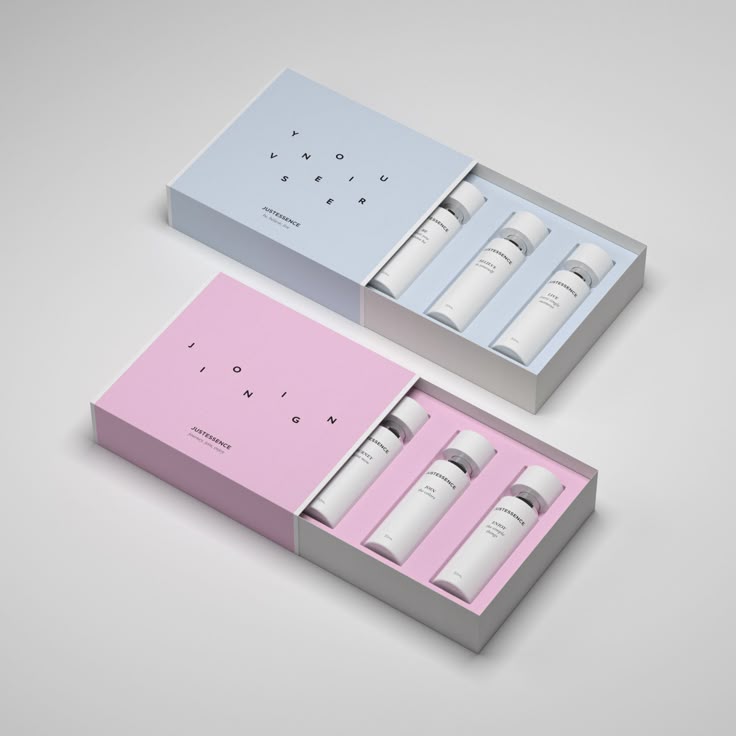
Perfume is more than just a fragrance, it’s an expression of personality, luxury, and emotion. However, behind every beautifully designed perfume bottle lies a carefully engineered Perfumes and Cosmetics Packaging system that ensures the scent remains pure, stable, and long-lasting. Unlike regular liquids, perfumes are delicate formulations made up of volatile compounds that can easily evaporate or react with packaging materials if not properly contained.
This makes Perfumes and Cosmetics Packaging not just an aesthetic choice, but a scientific one. Every component from the glass bottle to the atomizer and cap plays a vital role in preserving the fragrance’s quality and preventing leaks or evaporation. Let’s explore how the right materials and designs make all the difference.
Perfumes typically consist of alcohol, essential oils, and aromatic compounds, substances that are volatile and sensitive to light, air, and temperature. When exposed to these elements, a fragrance can:
Hence, the primary goal of Perfumes and Cosmetics Packaging is to create a barrier system that maintains fragrance integrity while offering visual appeal and ease of use.
Perfume packaging involves several interconnected parts that work together to ensure the product’s safety and longevity.
The Primary Container (Bottle or Vial)The main body of perfume packaging is the container that holds the liquid fragrance. This is where material choice is critical.
Common Materials Used:
Glass:
The gold standard for perfume bottles. Glass is non-reactive, impermeable, and offers excellent protection against evaporation. It also gives a luxurious look and can be easily customized through shaping, coloring, and embossing.
Best suited for: High-end and luxury Perfumes and Cosmetics Packaging lines.
Aluminum or Metalized Bottles:
Used primarily for travel-size or unisex fragrances, aluminum bottles provide both durability and opacity, protecting the perfume from light and heat.
Best suited for: Modern, portable, or refillable perfume products.
High-Grade Plastics (PET or HDPE):
While not as impermeable as glass, high-quality plastics are used in mass-market perfumes and body mists. These materials must be carefully selected to resist reaction with alcohol and aromatic compounds.
Best suited for: Affordable or limited-edition Perfumes and Cosmetics Packaging lines.
The Closure System (Cap and Collar)The closure system ensures that the perfume remains tightly sealed between uses. Even a small defect here can lead to leakage or slow evaporation.
Materials Used:
Additional Techniques:
Together, these features ensure no air enters and no perfume escapes.
The Atomizer or Pump MechanismThe atomizer is one of the most vital components of Perfumes and Cosmetics Packaging, as it directly controls how the fragrance is dispensed and how well it’s contained between sprays.
Materials and Mechanisms:
Design Innovations to Prevent Evaporation:
Airless pumps are being introduced for high-end and eco-conscious brands to reduce oxygen exposure.
The Role of Secondary and Tertiary PackagingBeyond the bottle, secondary and tertiary layers play a supporting role in perfume preservation.
Secondary Packaging – The Decorative BoxCardboard boxes not only enhance brand presentation but also shield the bottle from light and temperature fluctuations. High-end Perfumes and Cosmetics Packaging often uses laminated or foil-lined boxes for an extra layer of protection.
In logistics and retail, sturdy corrugated boxes, foam inserts, and molded trays protect bottles from impact and vibration. These materials must be chemically neutral to prevent reaction with fragrance residues or coatings.
As brands balance luxury with sustainability, material innovation is shaping the future of Perfumes and Cosmetics Packaging.
Multi-Layer Barrier PlasticsThese are engineered plastics that combine PET, EVOH, and nylon layers, creating a structure resistant to both oxygen and alcohol permeability. They’re ideal for smaller perfumes or travel-size bottles.
Biodegradable and Recyclable MaterialsEco-conscious brands are experimenting with bio-based plastics and glass alternatives that reduce environmental impact without compromising performance.
Advanced Sealing TechnologiesLaser-sealed caps and crimping systems ensure leak-proof closures, even under extreme conditions.
Smart Packaging with SensorsLuxury brands are exploring integrated sensors that detect temperature changes or leakage, a perfect blend of innovation and safety.
Balancing Aesthetics and FunctionalityPerfume packaging must not only be functional but also visually captivating. Brands use design to express luxury, elegance, or modernity but safety and performance must never be compromised for style.
That’s why top perfume houses work closely with packaging experts to combine aesthetics with engineering precision. Decorative finishes like frosting, engraving, or metallization are added after testing barrier performance to maintain both beauty and integrity.
Regulations and Quality StandardsSince perfumes are alcohol-based and often classified as flammable liquids, packaging must meet regulatory standards such as:
Compliant Perfumes and Cosmetics Packaging ensures not only leak-free design but also consumer safety and environmental responsibility.
ConclusionPerfume packaging is a delicate balance of science, safety, and sophistication. To prevent leaks and evaporation, brands must choose the right combination of non-reactive materials, airtight closures, and high-quality atomizers. Glass remains the most reliable choice, while innovations in metal and barrier plastics are expanding possibilities for modern packaging.
In today’s market, effective Perfumes and Cosmetics Packaging goes beyond beauty, it’s a technical shield that preserves a fragrance’s soul from the moment it’s bottled to the moment it’s worn. By investing in specialized materials and precision manufacturing, brands can ensure every spray delivers the same freshness and emotion that perfumers intended — safe, sealed, and everlasting.

Ajman, United Arab Emirates
+971 6 744 1599