


Need help?
+971 56 460 2001
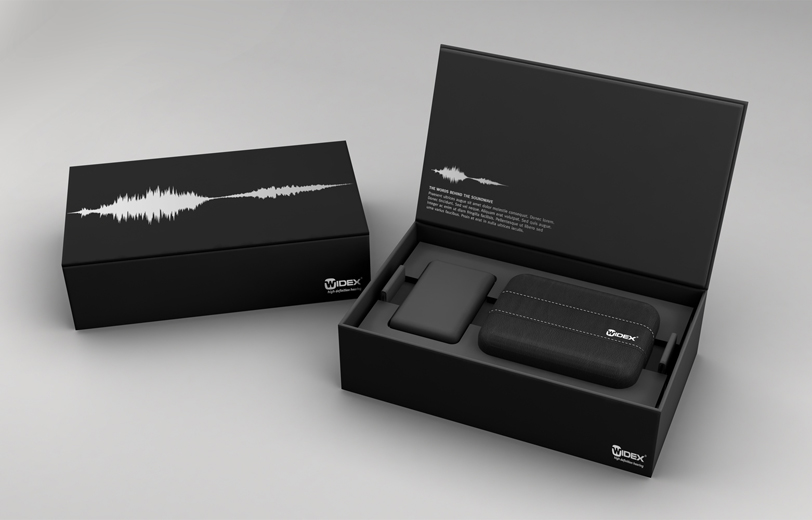
Managing heat effectively is one of the biggest challenges in modern electronic devices. From smartphones and laptops to industrial machinery and automotive systems, electronics generate heat that must be controlled to prevent failures, performance drops, or long-term damage. This is where Electronics Packaging plays a critical role, not just in protection, but in thermal management.
As a leading packaging manufacturer in the UAE, Al Wasl Pack provides high-performance packaging solutions designed to protect sensitive components from shock, moisture, static electricity, and importantly, heat. In this blog, we look at which electronics packaging materials offer the best thermal conductivity and how brands can choose the right solution.
1. Why Thermal Conductivity Matters in Electronics Packaging
Every electronic device produces heat. If this heat is not dissipated efficiently, the product may experience:
Electronics packaging materials help manage heating by:
Al Wasl Pack offers packaging materials specifically selected to enhance thermal control while protecting the components physically.
2. Materials Commonly Used in Electronics Packaging
Different electronic products require different levels of heat management. Here are the most commonly used materials and how well they perform.
A. Aluminum, Excellent Thermal Conductivity
Thermal Conductivity: Very High
Aluminum is one of the most effective materials for thermal management.
Benefits:
Although not always used for fully enclosing consumer electronics, aluminum components or inserts are frequently incorporated into packaging for thermal stability.
B. Copper, Highest Thermal Conductivity (But Costly)
Thermal Conductivity: Extremely High
Copper has the best thermal performance among common packaging materials.
Advantages:
However:
Copper is used selectively for thermal pads or embedded conductive layers.
C. Thermally Conductive Plastics, Modern and Efficient
Thermal Conductivity: Medium to High (Enhanced Types)
Thermally conductive polymers are growing in popularity because they combine protection with heat control.
Advantages:
These engineered plastics often contain ceramic or metallic fillers to improve thermal conductivity.
Al Wasl Pack uses advanced polymer-based trays and housings where heat management is essential.
D. Silicone Pads & Thermal Interface Materials (TIMs)
Thermal Conductivity: Moderate to High
These materials are widely used in electronics packaging, especially to bridge gaps between components and heat sinks.
Benefits:
They are often used inside electronic assemblies but can also be part of protective packaging.
E. Ceramics, High Heat Resistance and Stability
Thermal Conductivity: High (varies by type)
Ceramics such as aluminum nitride (AlN) or alumina (Al2O3) are commonly used for high-power electronic modules.
Advantages:
However, ceramics are typically used for internal component housing rather than outer packaging.
3. Which Material Offers the Best Thermal Conductivity?
Top Performer: Copper
Copper has the highest thermal conductivity of all common materials used in electronics.
Best Practical Choice: Aluminum
Aluminum offers excellent conductivity with lower cost, lower weight, and better manufacturability.
Best for Mass Packaging: Thermally Conductive Plastics
They provide a balanced solution for heat management, impact protection, weight reduction, and production scalability.
4. Choosing the Right Thermal Packaging for Electronics
The ideal material depends on:
Al Wasl Pack evaluates these factors and provides custom Electronics Packaging tailored to each client’s needs.
5. How Al Wasl Pack Ensures Thermal Protection in Electronics Packaging
Al Wasl Pack delivers advanced packaging solutions designed specifically for the needs of the electronics industry.
Our thermal-focused packaging capabilities include:
Whether the product is consumer electronics, industrial machinery components, or delicate sensors, our packaging ensures reliable temperature control throughout transport and storage.
6. Why Brands Trust Al Wasl Pack for Electronics Packaging
With years of experience serving electronics manufacturers across the UAE, Al Wasl Pack ensures safety, reliability, and efficiency in every packaging solution.
Final Thoughts
Thermal conductivity is a crucial factor when selecting Electronics Packaging materials. While copper and aluminum lead in performance, modern thermally conductive plastics are increasingly preferred for scalable commercial packaging.
With Al Wasl Pack’s expertise, brands receive packaging that is not only protective but engineered for heat management, durability, and long-term product performance.

Ajman, United Arab Emirates
+971 56 460 2001