


Need help?
+971 56 460 2001
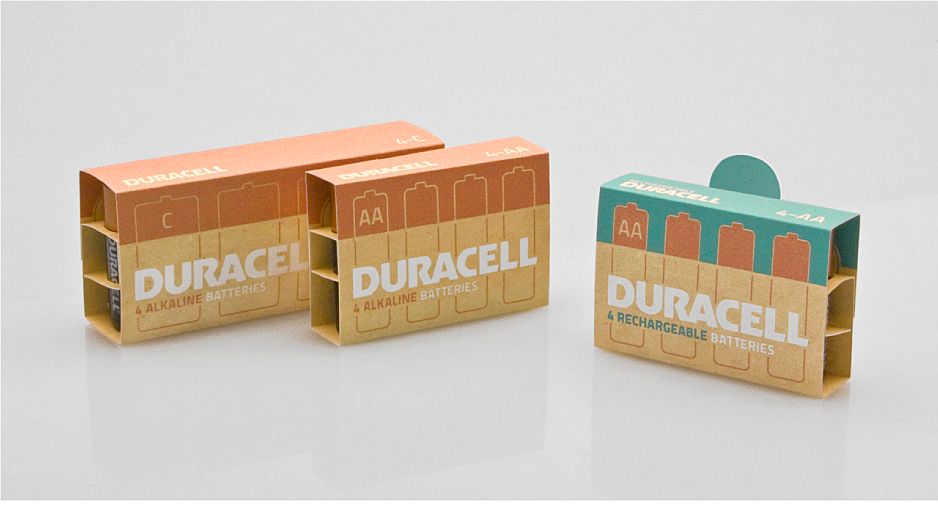
In 2026, batteries are at the core of modern technology. From smartphones and laptops to electric vehicles and industrial energy storage systems, batteries power nearly every sector. However, as battery performance improves, safety concerns such as overheating, short circuits, and thermal runaway have become increasingly critical.
This is where battery packaging plays a vital role. Packaging is no longer just an outer covering, it is an engineered solution that directly impacts battery life, efficiency, thermal stability, and overall safety.
A well-designed battery packaging system ensures that batteries remain protected, cool, stable, and functional over extended periods. This blog explores how battery packaging design influences battery life and thermal safety, and why manufacturers must prioritize advanced packaging solutions in today’s energy-driven world.
Modern batteries are powerful, compact, and chemically sensitive. They are also vulnerable to external stress, temperature changes, and mechanical damage.
High-quality Battery Packaging is essential because it helps:
As battery applications expand into critical industries, packaging design becomes a major factor in both performance and safety.
Battery life refers not only to how long a battery lasts on a single charge, but also how many charge cycles it can endure over its usable lifetime.
Packaging design affects battery life through several key mechanisms.
Thermal Regulation and Heat DissipationHeat is one of the biggest threats to battery longevity. Excessive heat accelerates chemical degradation inside the battery, reducing capacity over time.
Advanced Battery Packaging designs incorporate:
By managing heat effectively, packaging helps batteries operate within safe temperature ranges, directly extending their lifespan.
Protection Against External Environmental FactorsBatteries are sensitive to moisture, dust, and contamination. Exposure can lead to corrosion, reduced efficiency, or complete failure.
Battery packaging protects cells from:
A sealed and well-structured battery packaging system preserves internal stability, improving long-term reliability.
Mechanical Shock and Vibration ResistanceIn applications like electric vehicles, consumer electronics, and industrial equipment, batteries are exposed to constant vibration and movement.
Strong Battery Packaging prevents:
Mechanical protection ensures batteries remain stable during daily use and transportation, supporting longer operational life.
Thermal safety is one of the most critical challenges in battery technology. Poor thermal management can result in overheating, fire hazards, or catastrophic battery failure.
Preventing Thermal RunawayThermal runaway occurs when a battery cell overheats uncontrollably, triggering a chain reaction.
Proper Battery Packaging reduces this risk by:
This ensures that heat does not spread rapidly between cells, improving safety.
Material Selection for Thermal StabilityBattery packaging materials must withstand high temperatures without degrading.
Modern Battery Packaging incorporates pressure-release valves, gas vent channels, and safe containment designs to prevent rupture or explosion.
Electrical Insulation and Short Circuit PreventionBattery packaging enhances safety by providing insulation layers, preventing terminal contact, and securing internal components.
Battery packaging design has a direct and measurable impact on both battery life and thermal safety. From heat dissipation and environmental protection to mechanical stability and runaway prevention, packaging plays a critical role in reliable battery performance.
In 2026 and beyond, battery packaging is not just about containment, it is about protecting energy, technology, and lives.

Ajman, United Arab Emirates
+971 56 460 2001