


Need help?
+971 56 460 2001
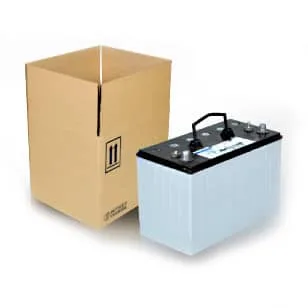
Batteries are a critical power source for modern electronics, from consumer devices and medical equipment to industrial tools and energy storage systems. While batteries enable functionality and mobility, they also present unique safety risks if not handled and packaged correctly. One of the most serious risks associated with batteries is short circuits, which can lead to overheating, leakage, fire, or even explosion.
This is why Battery Packaging plays a vital role in product safety, transportation, and storage. Proper battery packaging is designed to isolate battery terminals, prevent physical damage, manage heat, and ensure compliance with safety regulations. Without appropriate packaging, even high-quality batteries can become hazardous.
At Al Wasl Pack, we specialize in designing customized battery packaging solutions that minimize risk and ensure safe handling across the supply chain. This article explains how battery packaging prevents short circuits and why it is essential for manufacturers, distributors, and retailers.
A short circuit occurs when the positive and negative terminals of a battery come into direct contact with each other or are connected through a conductive material. This creates an uncontrolled flow of electricity, generating excessive heat.
Short circuits can occur due to:
Battery packaging is specifically designed to address these risks by creating physical and electrical barriers that prevent unintended contact.
One of the primary ways battery packaging prevents short circuits is by isolating battery terminals.
Effective battery packaging includes:
At Al Wasl Pack, battery packaging is custom-designed to ensure that each battery is held securely in place, eliminating the possibility of terminals touching one another or external conductive materials.
Material selection is critical in preventing short circuits. Battery packaging is typically made from non-conductive materials that do not allow electrical current to pass through.
Common non-conductive materials include:
These materials ensure that even if batteries shift slightly during transport, there is no risk of electrical conduction. Al Wasl Pack carefully selects battery packaging materials based on insulation performance, durability, and safety requirements.
Physical damage to batteries can compromise internal insulation and increase the risk of short circuits. Crushing, puncturing, or bending a battery may expose internal components.
Battery packaging provides:
Custom thermoformed trays and protective inserts designed by Al Wasl Pack protect batteries from mechanical stress during handling, shipping, and storage.
Uncontrolled movement is a major cause of battery damage and short circuits. Batteries that move freely inside packaging may collide with each other, causing terminal contact or casing damage.
Effective battery packaging includes:
Al Wasl Pack designs battery packaging that immobilizes batteries, ensuring stability even under rough transport conditions.
Exposure to external conductive materials such as metal tools, wires, or debris can lead to short circuits if batteries are not properly enclosed.
Battery packaging acts as a barrier by:
This level of protection is essential during warehousing and shipping, where batteries may be handled alongside various materials.
Heat buildup increases the likelihood of short circuits and thermal runaway, especially in lithium-based batteries. Battery packaging plays an important role in managing heat.
Proper battery packaging:
Al Wasl Pack designs battery packaging solutions that support thermal stability, particularly for batteries used in electronics and high-energy applications.
Battery packaging must comply with international safety and transportation standards, especially for lithium-ion and lithium-metal batteries.
Packaging must address:
Al Wasl Pack ensures that battery packaging solutions align with relevant transport and safety guidelines, reducing risks during shipment and storage.
Different batteries have different risk profiles. Coin cells, cylindrical batteries, pouch cells, and battery packs all require tailored packaging solutions.
Al Wasl Pack customizes battery packaging based on:
This tailored approach ensures maximum safety and performance.
Improper battery packaging can result in:
By investing in high-quality battery packaging, businesses protect their products, customers, and brand image. Al Wasl Pack works as a packaging partner to deliver solutions that prioritize safety without compromising efficiency.
Short circuits are one of the most serious safety risks associated with batteries, but they are largely preventable with the right Battery Packaging. Through terminal isolation, non-conductive materials, physical protection, thermal management, and compliance-driven design, battery packaging plays a crucial role in ensuring safe handling and transportation.
At Al Wasl Pack, we design battery packaging solutions that address real-world risks, offering reliable protection tailored to each battery type and application. By choosing the right packaging partner, businesses can significantly reduce safety risks and ensure long-term product reliability.
1. What causes short circuits in batteries?
Short circuits occur when battery terminals come into direct contact with each other or conductive materials, leading to uncontrolled electrical flow.
2. How does battery packaging isolate battery terminals?
Battery packaging uses individual compartments, molded cavities, and protective barriers to prevent terminals from touching.
3. What materials are used in battery packaging to prevent short circuits?
Non-conductive materials such as PET, PVC, and insulating foams are commonly used in battery packaging.
4. Does battery packaging prevent overheating?
Yes, proper battery packaging supports thermal management and helps prevent heat buildup that can lead to short circuits.

Ajman, United Arab Emirates
+971 56 460 2001