


Need help?
+971 6 744 1599
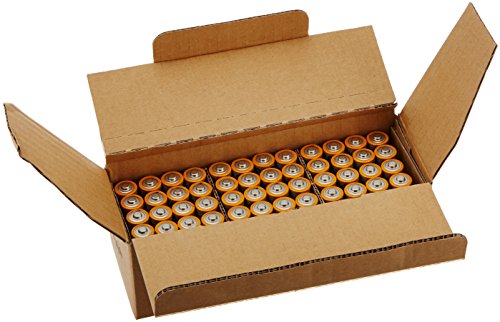
In the rapidly evolving world of electronics, one element that quietly but critically shapes performance, safety, and sustainability is battery packaging. Whether it’s powering everyday consumer devices, electric vehicles, or industrial equipment, the packaging used to protect batteries plays a vital role in ensuring safety, longevity, and reliability.
Choosing the right battery packaging material is not a simple decision. It involves balancing protection, cost, manufacturability, and environmental impact. With increasing global attention on energy efficiency and safety compliance, battery manufacturers and suppliers are paying closer attention than ever to packaging innovation.
So, what exactly makes a material ideal for battery packaging? Let’s explore the science, industry trends, and practical considerations behind this essential component.
Battery packaging isn’t just a cover or a shell, it’s the first line of defense against mechanical damage, leakage, contamination, and short circuits. It’s also an enabler of brand presentation and a tool for consumer safety.
The right battery packaging should accomplish multiple goals:
Protect the battery from physical damage during handling and transportation.
Prevent leakage or exposure to air, moisture, and contaminants.
Ensure electrical insulation to avoid short-circuiting.
Support thermal management, especially in high-performance batteries.
Enhance user convenience with proper labeling and tamper-proof sealing.
Comply with environmental regulations and sustainability standards.
A failure in any of these areas could lead to reduced performance, safety hazards, or even recalls, all of which can severely affect brand reputation.
When it comes to selecting materials, manufacturers have a wide array of options, each with distinct advantages. The ideal material depends on the battery’s type, size, chemical composition, and intended application.
Here are the most commonly used materials in battery packaging:
1. Aluminum Foil and LaminatesAluminum is one of the most popular materials used in battery packaging, especially for lithium-ion and pouch-type batteries.
Why it’s used:
Excellent barrier properties against oxygen, moisture, and UV light.
High mechanical strength and puncture resistance.
Lightweight yet durable.
Supports heat sealing for tight enclosures.
Applications:
Used extensively in pouch cells, which are lightweight and flexible common in smartphones, tablets, and electric vehicles.
Limitations:
Pure aluminum lacks flexibility on its own and is often combined with other layers (like polymer films).
Recyclability depends on laminate composition.
2. Plastic Films (PVC, PET, PP, and PVDC)Plastic films are another widely used category, particularly for small consumer batteries like AA, AAA, and coin cells.
Why they’re used:
Provide excellent clarity for product visibility.
Lightweight and cost-effective.
Easy to mold and thermoform for custom designs.
Resistant to corrosion and environmental exposure.
Common Plastic Options:
PVC (Polyvinyl Chloride): Strong and affordable, though less eco-friendly.
PET (Polyethylene Terephthalate): Highly recyclable and clear, offering an eco-conscious alternative.
PP (Polypropylene): Heat-resistant and durable.
PVDC (Polyvinylidene Chloride): Excellent barrier against gases and moisture.
Applications:
Used in blister battery packaging, where individual cells are sealed in molded cavities with paperboard or foil backing.
Limitations:
Some plastics are not biodegradable.
May not provide the same level of puncture resistance as metals.
3. Steel and Metal CasingsFor cylindrical and prismatic batteries (like those found in power tools, vehicles, and industrial systems), steel or nickel-plated metal casings are often used.
Why they’re used:
Provide superior mechanical strength and impact resistance.
Excellent thermal stability, reducing the risk of overheating.
Offer electromagnetic shielding for sensitive electronic environments.
Applications:
Used in lithium-ion cylindrical cells, such as 18650 or 21700 types, and in heavy-duty industrial batteries.
Limitations:
Heavier than alternatives like aluminum.
Metal casings are less flexible for custom shapes.
4. Composite and Multi-Layer LaminatesModern battery packaging often uses multi-layer composite films that combine the benefits of different materials like plastic, metal, and adhesives to achieve optimal performance.
Typical composition includes:
Outer Layer (PET/PP): For strength and printability.
Middle Layer (Aluminum Foil): For barrier protection.
Inner Layer (Sealant): For sealing and insulation.
Benefits:
Enhanced protection against air and moisture.
High tensile strength and puncture resistance.
Customizable in thickness, color, and finish.
Applications:
Used in both pouch batteries and blister packs for compact electronic batteries.
5. Paperboard and Recyclable OptionsAs sustainability becomes a central theme across industries, brands are exploring eco-friendly paperboard and biodegradable coatings for secondary battery packaging.
Why they’re used:
Renewable, recyclable, and biodegradable.
Provide excellent printability for branding.
Can be combined with thin polymer or foil layers for added protection.
Applications:
Used in outer retail packaging, where battery packaging must look attractive while remaining eco-conscious.
Limitations:
Not ideal for direct contact with cells due to moisture absorption.
When evaluating materials for battery packaging, manufacturers typically consider several main performance metrics. The table below summarizes the key factors and what to look for in an ideal material.
| Factor | Ideal Material Characteristics |
|---|---|
| Protection | Strong barrier against moisture, oxygen, and impact; puncture resistance. |
| Weight | Lightweight without sacrificing durability. |
| Thermal Resistance | Stable at elevated temperatures; supports heat dissipation. |
| Cost Efficiency | Affordable raw materials and manufacturing processes. |
| Cost Efficiency | Recyclable, low-carbon footprint, or biodegradable options. |
No single material excels in every category, which is why hybrid or multi-layer designs are increasingly becoming the norm in battery packaging.
The Shift Toward Sustainable Battery PackagingAs environmental awareness grows, the battery packaging industry is under pressure to move away from purely plastic-based materials. Several innovations are driving this shift:
Recyclable aluminum-polymer laminates that reduce carbon footprint.
Water-based adhesives and inks replacing solvent-based options.
Biodegradable plastics like PLA (Polylactic Acid) gaining traction for outer packaging.
Design for disassembly, enabling easy recycling of components after use.
Consumers today expect brands to act responsibly. By using sustainable materials, companies not only reduce waste but also strengthen their brand image as eco-conscious and forward-thinking.
Industry Trends: What’s Next for Battery Packaging?Battery technology is evolving rapidly, especially with the global rise of electric vehicles and renewable energy systems. This progress demands equally advanced packaging solutions.
Here are some emerging trends shaping the battery packaging industry:
Smart Packaging: Incorporating sensors or QR codes to monitor temperature, charge status, or authenticity.
Thermal-Resistant Composites: For high-capacity batteries where heat management is crucial.
Automation and Precision Engineering: To ensure uniform sealing and reduce defects.
Recyclable Multi-Layer Films: Combining performance with eco-friendly materials.
Minimalist Design: Reducing material use while maintaining protection and branding.
The goal is clear — to make battery packaging safer, lighter, and more sustainable without compromising performance.
Choosing the Right Material: The Final VerdictThe best material for battery packaging ultimately depends on your product requirements and brand priorities.
If barrier protection and durability are top priorities — Aluminum laminates are ideal.
For cost efficiency and lightweight retail packaging — Plastic films (PET or PVC) work best.
If sustainability is key — Paperboard hybrids or recyclable composites offer balance.
For industrial or automotive batteries — Steel or heavy-duty metal casings are unmatched.
Working with an experienced packaging partner can help you evaluate these factors and select a solution that aligns with your technical and environmental goals.
ConclusionIn the fast-paced world of electronics, battery packaging serves as a critical bridge between innovation, safety, and sustainability. The right packaging material doesn’t just protect, it communicates brand integrity, ensures compliance, and supports long-term product performance.
As technology advances and sustainability standards tighten, manufacturers must adopt smarter, greener, and more efficient battery packaging materials. Whether you’re designing for consumer gadgets or large-scale industrial batteries, the material you choose today will define the reliability, perception, and future-readiness of your brand.
In short, great batteries deserve great packaging — and finding the right material is the first step in powering a safer, more sustainable tomorrow.

Ajman, United Arab Emirates
+971 6 744 1599