


Need help?
+971 56 460 2001
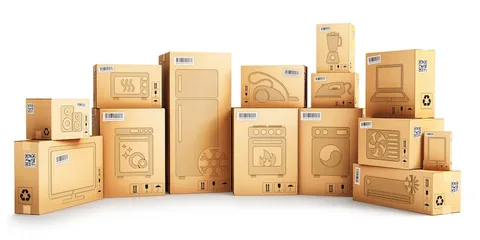
As technology continues to evolve rapidly, the electronics industry is experiencing significant growth across consumer devices, industrial equipment, and smart systems. Along with this expansion comes an increasing responsibility: reducing environmental impact while ensuring product safety.
Modern brands are now expected to deliver not only high-performing electronic products but also environmentally responsible packaging. This has made Electronics Packaging a major focus area for companies aiming to align with sustainability goals, regulatory requirements, and consumer expectations.
In 2026, sustainable electronics packaging is no longer a trend, it is a necessity for brands that want to remain competitive and trusted in global markets.
This blog explores the most effective sustainable electronics packaging solutions for modern businesses.
Electronics packaging plays a critical role in protecting products from damage, moisture, electrostatic discharge, and contamination. However, traditional packaging materials often rely heavily on plastics, foams, and non-recyclable composites.
Sustainable electronics packaging is important because it helps brands:
Sustainability and protection must work together to create packaging solutions that are both safe and responsible.
Unlike many other industries, electronics packaging must address specialized risks such as:
Therefore, sustainable electronics packaging solutions must balance environmental benefits with high-performance protection.
One of the most widely adopted sustainable solutions is paper-based packaging.
Modern electronics packaging increasingly uses:
Paper-based packaging is renewable, biodegradable, and easily recyclable, making it ideal for brands looking to reduce plastic usage.
With proper engineering, it can also provide strong shock absorption for many electronics products.
Molded fiber is a sustainable alternative to plastic trays and foam inserts.
It is commonly used in electronics packaging for:
Molded fiber solutions are:
This makes them an excellent choice for sustainable electronics packaging design.
While reducing plastic is important, certain electronics require durable moisture-resistant packaging.
Modern electronics packaging brands are shifting toward recyclable plastics such as:
PET-based packaging provides transparency, durability, and recyclability, supporting both product safety and sustainability goals.
Sustainable electronics packaging is not only about materials, it is also about reducing excess packaging.
Minimalist packaging strategies include:
Less material usage reduces shipping emissions and packaging waste while maintaining protection standards.
Modern brands increasingly adopt minimalist electronics packaging for both cost savings and sustainability impact.
For industrial electronics and large-scale distribution, reusable packaging is a major sustainable solution.
Reusable electronics packaging systems include:
These solutions reduce long-term waste and support circular supply chain models, especially in B2B electronics industries.
Electronics packaging must often provide protection against electrostatic discharge.
Sustainable ESD-safe packaging innovations now include:
Brands can now meet ESD safety standards while still improving environmental responsibility.
Sustainability also applies to packaging design and printing processes.
Modern electronics packaging solutions now use:
Eco-friendly branding improves sustainability while maintaining premium packaging appearance.
Governments and international markets are introducing stricter packaging waste regulations.
Sustainable electronics packaging helps brands comply with:
Compliance is becoming a major driver of packaging innovation in the electronics sector.
ConclusionSustainability is reshaping the future of the electronics industry, and Electronics Packaging is at the center of this transformation. Modern brands must adopt packaging solutions that protect sensitive devices while reducing environmental impact through recyclable materials, minimalist designs, reusable systems, and eco-friendly production methods.
In 2026, sustainable electronics packaging is not just about meeting regulations, it is about strengthening brand reputation, supporting customer values, and building long-term market leadership.
Modern electronics brands that invest in sustainable packaging solutions today will be the ones that succeed tomorrow.

Ajman, United Arab Emirates
+971 56 460 2001