


Need help?
+971 56 460 2001
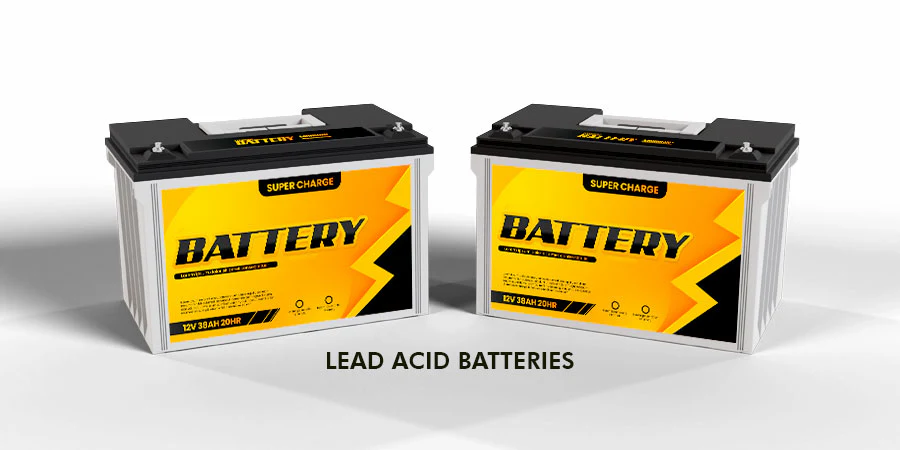
With the rapid growth of consumer electronics, electric vehicles, renewable energy storage, and portable devices, batteries have become an essential part of modern life. However, batteries, especially lithium-ion types are also highly sensitive components that require careful handling and protection.
Improper packaging can lead to serious risks such as overheating, leakage, short circuits, and even fire hazards during storage or transportation. This is why Battery Packaging plays a critical role in ensuring safety, performance, and regulatory compliance across the supply chain.
This blog explains how battery packaging prevents fire, leakage, and electrical failures, and why businesses must invest in high-quality packaging solutions in 2026.
Batteries contain chemical compounds and electrical energy that can become dangerous when exposed to:
A well-designed battery packaging system acts as the first line of defense against these hazards.
Before exploring solutions, it is important to understand the three major risks battery packaging must prevent:
1. Fire and Thermal RunawayBatteries can overheat if damaged or improperly stored, leading to combustion.
2. Leakage of ElectrolytesChemical leakage can occur due to puncture, pressure, or defective sealing.
3. Short CircuitsTerminal contact between batteries or conductive materials can cause sudden discharge and sparks.
Effective battery packaging addresses all these safety challenges.
Fire prevention is one of the most important functions of battery packaging, especially for lithium-ion cells.
Thermal Insulation and Heat ResistanceBattery packaging materials are often designed to withstand elevated temperatures and reduce heat transfer.
Common protective materials include:
These materials help prevent external heat exposure from triggering internal battery reactions.
Impact ProtectionPhysical damage is a leading cause of battery fires. Packaging prevents crushing and puncture through:
By minimizing impact stress, battery packaging reduces the risk of overheating and ignition.
Battery leakage is dangerous not only for products but also for human handling and environmental safety.
Sealed ContainmentBattery packaging ensures that cells remain protected from puncture or pressure that could release electrolytes.
Packaging formats such as:
create stable containment and prevent rupture.
Moisture and Contamination ControlHumidity can accelerate corrosion and leakage. Battery packaging often includes:
This protects batteries from environmental exposure during long-term storage.
Short circuits are one of the most common safety risks during battery shipping.
Terminal IsolationHigh-quality battery packaging ensures that battery terminals do not touch each other or conductive surfaces.
This is achieved through:
Terminal isolation is essential for both small consumer batteries and industrial battery packs.
Anti-Static and Non-Conductive MaterialsBattery packaging materials are selected to prevent accidental current transfer.
Non-conductive packaging solutions include:
These prevent electrical discharge during handling and transportation.
4. Role of Structural Design in Battery Packaging SafetyBattery packaging is not only about materials, it is also about engineering design.
A well-designed packaging structure provides:
Packaging design reduces the likelihood of internal damage that could cause fires or leakage.
5. Compliance and Safety Regulations in Battery PackagingBattery packaging must meet strict international safety requirements, such as:
Professional battery packaging ensures regulatory compliance and prevents shipment delays or penalties.
6. Sustainable Battery Packaging Trends in 2026With growing environmental concerns, companies are adopting safer and more sustainable packaging solutions, including:
Sustainable battery packaging supports safety while meeting ESG goals.
ConclusionBatteries are powerful but sensitive energy sources, and without proper protection they can become hazardous. High-quality Battery Packaging plays a vital role in preventing fire, leakage, and short circuits by providing impact resistance, terminal insulation, moisture control, and compliance-ready safety features.
In 2026, businesses across electronics, automotive, and industrial sectors must treat battery packaging as a critical investment in product safety, customer trust, and regulatory success.
Safe battery packaging is not optional, it is essential.

Ajman, United Arab Emirates
+971 56 460 2001