


Need help?
+971 6 744 1599
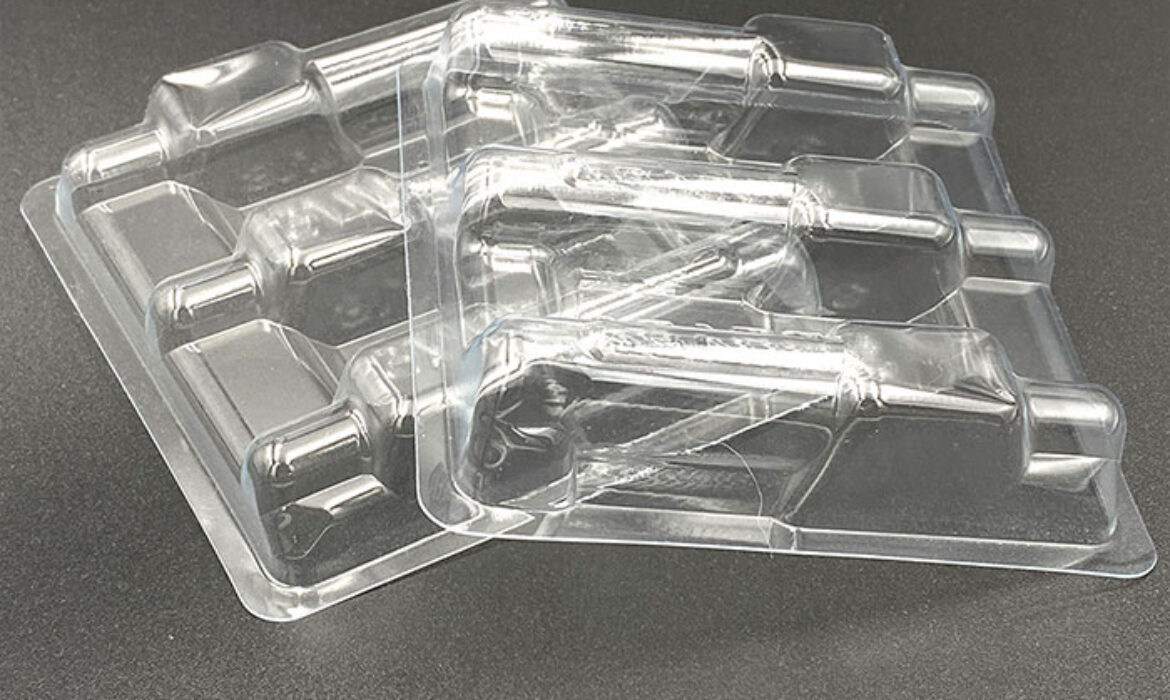
In today’s fast-paced marketplace, the role of packaging extends far beyond aesthetics. While attractive designs may grab consumer attention, the true value of packaging lies in its ability to safeguard products against damage, contamination, and tampering. For industries such as pharmaceuticals, electronics, and food, this protection is not optional, it’s essential.
Among the many packaging solutions available, blister packaging has emerged as a reliable and versatile choice. By forming a protective cavity around individual items, blister pack packaging ensures that products remain intact, sterile, and safe until they reach the consumer.
But how exactly does blister packaging achieve this level of protection? And why do businesses trust it for some of the most sensitive products? Let’s dive deeper.
Before understanding the benefits of blister pack packaging, it’s important to recognize the threats products face during manufacturing, storage, and distribution:
Physical Damage:Products can break, deform, or lose quality due to impact, vibration, or rough handling during transportation.
Moisture and Oxygen Exposure:Many pharmaceuticals, food items, and electronic components degrade when exposed to humidity or oxygen.
Light Sensitivity:UV rays and direct sunlight can reduce the potency of medicines or alter the taste and appearance of consumables.
Contamination:Dust, dirt, and microbes can compromise the safety of products, especially in healthcare and food industries.
Tampering Risks:Without tamper-evident packaging, customers cannot be sure the product has not been altered.
These risks emphasize why businesses rely on specialized packaging solutions and why experienced blister packaging suppliers play such a critical role.
Blister pack packaging addresses these risks through its design, material choice, and sealing methods. Here’s how:
1. Individual Sealed CavitiesEach product, whether a tablet, capsule, or electronic component is housed in its own cavity. This prevents:
Physical damage caused by items knocking against each other.
Cross-contamination between products in the same pack.
For example, in pharmaceuticals, if one tablet becomes compromised, the others remain unaffected thanks to their individual blister pockets.
2. Barrier Properties Against Moisture and OxygenBlister packaging uses films such as PVC, PVDC, or Alu-Alu foils that create an airtight seal around the product. These materials prevent:
Moisture ingress that can degrade medicines or food.
Oxidation that alters chemical compositions.
High-barrier blister packs, such as Alu-Alu (cold-formed foil), offer maximum protection, making them ideal for critical medicines and long-shelf-life products.
3. Light ProtectionFor products sensitive to light, opaque blister packs (like aluminum foils) shield them from UV rays and direct exposure. This ensures:
Medicines maintain their potency.
Food products retain color, taste, and nutritional quality.
4. Tamper EvidenceBlister pack packaging is designed to be tamper-evident. Once sealed, it is impossible to remove or alter the product without visible damage to the pack. This assures consumers that the product they purchase is safe and untouched.
5. Contamination PreventionBlister packs keep out dust, dirt, and microbes during manufacturing and storage. This is especially important for:
Pharmaceuticals, where sterility is critical.
Food and confectionery, where hygiene affects customer trust.
Because the packs are sealed in controlled environments, the risk of contamination is drastically reduced.
6. Extended Shelf LifeThanks to the strong barrier against environmental factors, blister packaging significantly extends the shelf life of products. Businesses save on wastage, while consumers receive fresh, safe goods.
Blister packaging isn’t limited to one industry. Its protective qualities make it suitable across multiple sectors:
Pharmaceuticals: Protects tablets, capsules, and lozenges from moisture and contamination while ensuring dosage accuracy.
Food & Confectionery: Keeps chocolates, mints, and snacks fresh and tamper-free.
Consumer Goods: Protects small electronics, batteries, and tools from physical damage.
Cosmetics: Shields delicate items like lip balms or sample kits from contamination and light.
In each case, the protective cavity-and-seal design ensures safety from the moment of packaging to final use.
While blister packaging offers many advantages, the quality of materials and sealing directly impacts its effectiveness. Not all blister packs are the same, choosing the right suppliers makes the difference. Reliable blister packaging suppliers provide:
Material Expertise: Guidance on whether PVC, PVDC, Alu-Alu, or PET is best for your product.
Customization: Packs designed to fit product dimensions and branding.
Compliance: Packaging that meets international safety and hygiene standards.
Innovation: New barrier films and eco-friendly materials that align with sustainability goals.
Partnering with expert suppliers ensures that blister pack packaging performs exactly as it should be protecting your product and your reputation.
Advantages Beyond ProtectionWhile damage prevention and contamination control are the main benefits, blister packaging also adds value in other ways:
Convenience for Consumers: Easy to carry, store, and dispense single doses or units.
Cost-Efficiency: Reduces product returns and wastage.
Brand Trust: Reinforces the brand’s commitment to quality and safety.
Marketability: Transparent blister packs showcase the product while keeping it secure.
The role of blister packaging will only grow as industries face stricter regulations and rising consumer expectations. Future developments may include:
Eco-Friendly Films: Recyclable and biodegradable alternatives to PVC.
Smart Packaging: Blisters embedded with QR codes or NFC tags to verify authenticity.
Advanced Laminates: Stronger barriers without increasing material weight.
These innovations will further enhance the ability of blister pack packaging to protect products while meeting sustainability goals.
Final ThoughtsProduct protection is non-negotiable in today’s market, and blister packaging has proven itself as one of the most effective solutions. By shielding products from damage, contamination, moisture, light, and tampering, blister pack packaging ensures that goods reach consumers safely and reliably.
For businesses, the key lies in choosing the right blister packaging suppliers partners who understand the nuances of materials, compliance, and customization. With their expertise, companies can deliver products that are not just well-packaged, but also truly protected.
In short, blister pack packaging is more than just a packaging choice, it’s a safeguard for quality, safety, and customer trust.

Ajman, United Arab Emirates
+971 6 744 1599