


Need help?
+971 6 744 1599
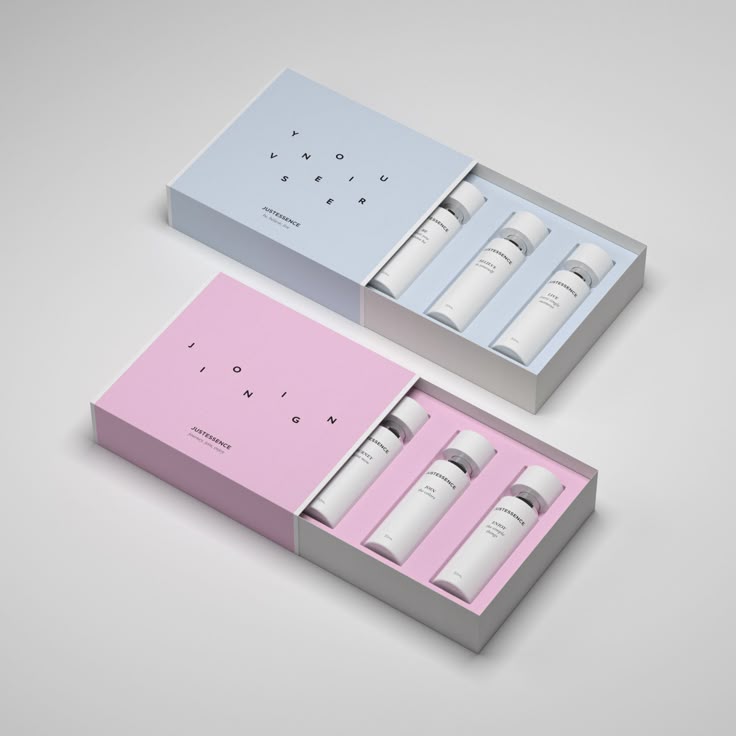
When it comes to beauty and personal care products, first impressions matter more than ever. The moment a customer picks up a product, the design, material, and quality of its packaging immediately influence how they perceive the brand. For that reason, perfume packaging has evolved beyond being a mere protective layer. It’s now a vital element of brand identity, luxury appeal, and consumer trust.
But for every brand from new startups to global beauty houses one question remains constant: How much does cosmetic packaging actually cost?
The answer depends on a variety of factors, from material choices and customization levels to production scale and sustainability preferences. Let’s take a detailed look at what drives the cost of perfumes and cosmetics packaging and how brands can make smart investments that balance beauty, quality, and budget.
Before diving into numbers, it’s crucial to understand why perfumes and cosmetics packaging hold such significance. Cosmetics are not just functional products, they are expressions of beauty, luxury, and personal care. Packaging needs to communicate these values instantly.
The right packaging serves several purposes:
Brand differentiation: Unique packaging designs help your products stand out on crowded retail shelves.
Product protection: Ensures the formula remains safe from contamination, UV exposure, or leakage.
User convenience: Offers ease of use with pumps, droppers, or compact designs.
Aesthetic value: Creates a memorable visual and tactile experience for customers.
In essence, the packaging is not just an expense, it’s an investment in brand perception and market positioning.
The cost of perfumes and cosmetics packaging can vary dramatically depending on design, production volume, and customization. To estimate realistic pricing, it helps to break the process into key components:
1. Material SelectionMaterial is often the largest cost determinant in packaging. The cosmetic industry uses a mix of glass, plastic, metal, and paperboard, depending on the product type.
Common materials include:
Glass:
Ideal for high-end perfumes and skincare products.
Provides a premium, weighty feel.
More expensive due to manufacturing and transport costs.
Estimated cost: Rs.0.50–Rs.3.00 per unit depending on thickness and design.
Plastic (PET, PP, or Acrylic):
Lightweight, durable, and cost-effective.
Ideal for lotions, shampoos, and mass-market products.
Estimated cost: Rs.0.10–Rs.0.80 per unit.
Metal (Aluminum or Tin):
Used for caps, sprays, or luxury limited editions.
Adds elegance and durability.
Estimated cost: Rs.0.30–Rs.1.50 per component.
Paperboard:
Common for outer boxes and retail packaging.
Recyclable and customizable with finishes like foil stamping or embossing.
Estimated cost: Rs.0.10–Rs.0.50 per box.
Choosing materials that reflect your brand’s image such as luxury, sustainability, or minimalism will influence both cost and customer perception.
2. Design and CustomizationThe more intricate and distinctive your packaging design, the higher the cost. Brands often invest in customized molds, embossing, or specialized coatings to create a unique identity.
Key customization factors include:
Custom molds: Developing exclusive bottle or cap shapes can cost anywhere between Rs.1,000 and Rs.10,000 for initial tooling.
Printing and labeling:
Standard printing: Rs.0.05–Rs.0.20 per unit.
High-end finishes (UV printing, foil stamping, embossing): Rs.0.20–Rs.0.80 per unit.
Surface treatments:
Frosting, metallic spray, or soft-touch coatings can add Rs.0.10–Rs.0.50 per unit.
Brand elements:
Custom caps, pumps, or applicators may add Rs.0.15–Rs.1.00 per unit.
Luxury brands usually go all in on these aspects since aesthetic details directly influence how customers perceive product value.
3. Quantity and Production ScaleProduction quantity has a significant effect on perfumes and cosmetics packaging cost. Larger orders usually mean lower per-unit prices due to economies of scale.
Small batches (under 5,000 units): Higher cost per piece because of setup and tooling expenses.
Medium batches (10,000–50,000 units): More cost-efficient per piece, ideal for established brands.
Mass production (100,000+ units): Lowest per-unit cost, suitable for global distribution.
In general, ordering in bulk can reduce packaging costs by 30–50%, especially for common designs.
4. Sustainability ChoicesWith consumers increasingly favoring environmentally conscious brands, sustainable packaging is no longer optional, it’s expected. However, eco-friendly materials and processes can affect cost.
Options include:
Recycled PET or Glass: Costs slightly more than virgin material but supports sustainability goals.
Biodegradable plastics or paperboard: Often 10–20% higher in cost.
Water-based inks and coatings: Eco-friendly but may increase printing expenses.
While these materials might raise initial costs, they often yield long-term returns in brand loyalty, compliance, and market differentiation.
5. Packaging Components and AssemblyA cosmetic product rarely comes in a single container. Most require multiple parts, including:
Bottle or jar body
Cap or lid
Pump, dropper, or applicator
Label or printed design
Outer box or sleeve
Each additional component contributes to overall cost. For instance, a luxury perfume set with an embossed glass bottle, metal spray nozzle, and printed box could range from Rs.2.50 to Rs.6.00 per unit, while a simple cream jar might cost under Rs.1.00.
6. Logistics and TransportationPackaging doesn’t end at production, it must be stored, shipped, and handled efficiently. Heavier materials like glass can significantly increase freight costs.
Estimated logistics costs:
Domestic shipping: 5–10% of total packaging cost.
International shipping: 15–25% depending on volume and fragility.
Partnering with regional packaging manufacturers helps reduce transportation costs and lead times, a key reason many brands choose local partners like Al Wasl Pack for their perfumes and cosmetics packaging needs.
Balancing beauty and budget in perfumes and cosmetics packaging requires smart planning. Here are some ways to optimize your investment:
Work with experienced local suppliers:Local manufacturers like Al Wasl Pack offer design flexibility, faster lead times, and lower logistics expenses.
Start with semi-custom designs:Instead of investing in new molds, use existing templates with custom finishes to reduce tooling costs.
Prioritize sustainability:Using recyclable or biodegradable materials can reduce long-term waste and improve brand reputation.
Order strategically:Plan production in batches to take advantage of bulk discounts.
Keep branding consistent but simple:
Minimalist designs are trending like clean labels and sleek shapes can cut costs while maintaining elegance.
Collaborate on design efficiency:Discuss packaging optimization with your supplier to minimize material waste during production.
While it’s tempting to focus solely on cost, it’s worth remembering that packaging is one of the most powerful marketing tools you have.
High-quality perfumes and cosmetics packaging helps:
Build customer trust and loyalty.
Reduce returns or damages.
Reflect luxury and attention to detail.
Create a lasting impression that encourages repeat purchases.
Consumers are willing to pay more for products that “feel” premium and packaging plays a huge part in that perception.
Final ThoughtsThe cost of perfumes and cosmetics packaging depends on multiple factors: materials, customization, quantity, and sustainability. A basic plastic jar might cost just a few cents, while a custom glass perfume bottle can cost several dollars.
Ultimately, the smartest investment is one that aligns with your brand’s identity and long-term goals. Partnering with reliable packaging experts like Al Wasl Pack ensures you get high-quality, visually stunning packaging tailored to your needs without unnecessary overspending.
Remember, great packaging doesn’t just protect your product; it tells your brand’s story. And in the world of cosmetics, that story begins the moment your customer lays eyes on it.

Ajman, United Arab Emirates
+971 6 744 1599