


Need help?
+971 56 460 2001
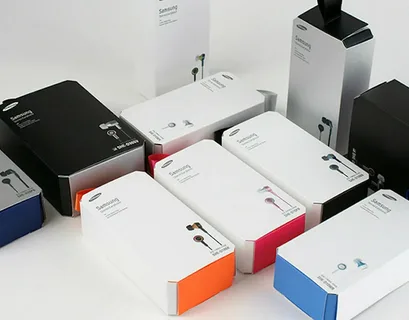
Sustainability has become one of the most important priorities across industries, and the electronics sector is no exception. With increasing global demand for devices such as smartphones, wearables, laptops, and smart home products, packaging waste has also grown significantly. This has pushed manufacturers to rethink how products are packed, shipped, and presented.
Today, brands are moving beyond traditional materials and adopting eco-conscious innovations that reduce environmental impact without compromising safety. As a result, sustainable Electronics Packaging is evolving rapidly, with new materials, smarter designs, and greener supply chains shaping the future.
Electronics products require specialized packaging because they are fragile, sensitive to static electricity, and often high-value. At the same time, consumers and regulators are demanding packaging solutions that are recyclable, lightweight, and environmentally responsible.
Sustainable electronics packaging is no longer just a trend, it is becoming a competitive necessity. Brands that invest in eco-friendly packaging benefit from:
One of the strongest trends is replacing plastic-heavy packaging with recyclable paper alternatives. Many electronics brands are now using:
This approach reduces plastic waste while maintaining product stability during transport.
Another major development is the rise of biodegradable cushioning materials. These are designed to break down naturally after disposal, unlike traditional plastic or foam.
Examples include:
These innovations are becoming popular for sustainable Electronics Packaging in consumer electronics.
Modern electronics packaging is becoming smaller, cleaner, and more efficient. Brands are removing unnecessary layers and focusing on essentials.
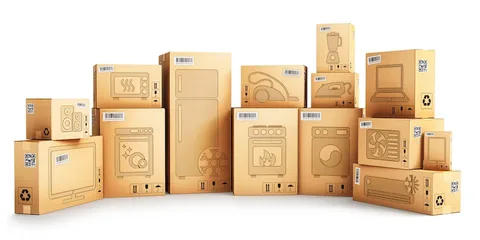
Minimalist packaging helps by:
Smarter design is one of the easiest ways to make Electronics Packaging more sustainable.
Electronics require protection from electrostatic discharge (ESD). Traditionally, anti-static materials have relied on plastics that are difficult to recycle.
New trends include:
These allow electronics companies to balance safety and sustainability.
For industrial electronics and B2B shipments, reusable packaging is becoming a leading trend. Instead of single-use boxes, companies are investing in:
This is especially useful for high-value electronics components.
Technology is also being integrated into packaging. Smart packaging solutions help track products, reduce losses, and improve logistics efficiency.
Examples include:
These innovations make Electronics Packaging both modern and environmentally responsible.
Electronics brands are now using sustainability as part of their identity. Packaging is designed to communicate eco-values through:
Sustainable packaging is no longer hidden, it is now a marketing advantage.
At Al Wasl Pack, sustainability and performance go hand in hand. Electronics products require packaging that protects delicate components while also meeting modern environmental expectations.
Al Wasl Pack provides tailored Electronics Packaging solutions that focus on:
By combining innovation with compliance and quality control, Al Wasl Pack helps electronics brands adopt packaging solutions that are both responsible and reliable.
The latest trends in sustainable Electronics Packaging reflect a major shift in how the electronics industry approaches environmental responsibility. From recyclable paper-based inserts and biodegradable materials to reusable systems and smart packaging technology, brands are investing in packaging that supports both product safety and sustainability.
As consumer expectations grow and regulations tighten, companies that adopt eco-friendly packaging solutions today will be the leaders of tomorrow. With experienced packaging partners like Al Wasl Pack, businesses can meet sustainability goals without compromising performance, protection, or brand value.

Ajman, United Arab Emirates
+971 56 460 2001