


Need help?
+971 56 460 2001
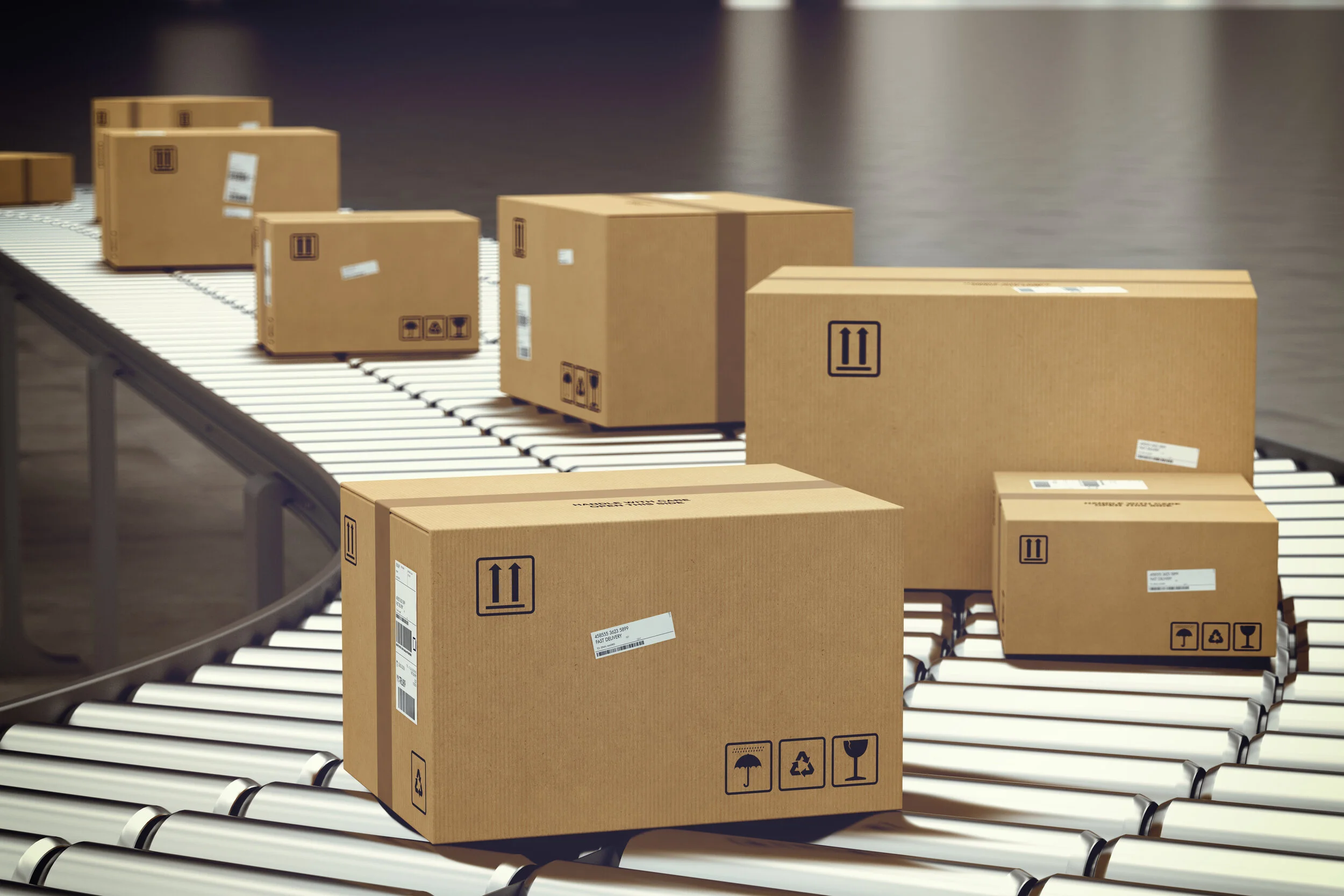
Shipping costs are one of the biggest operational expenses for businesses involved in retail, e-commerce, food distribution, electronics, and industrial supply chains. Efficient packaging plays a major role in controlling these expenses while ensuring products remain safe during transportation. This is where product packaging manufacturers contribute by designing cost-effective and optimized packaging solutions that improve logistics efficiency.
Modern packaging strategies focus not only on product protection but also on reducing weight, minimizing wasted space, and improving transportation efficiency.
Packaging directly affects transportation costs because carriers often calculate charges based on:
Poorly designed packaging can increase shipping expenses unnecessarily, while optimized designs help businesses reduce operational costs.
One of the most effective ways to lower transportation expenses is by reducing package weight.
Manufacturers achieve this by using:
Reducing weight helps lower fuel consumption and carrier charges without compromising product safety.
Shipping costs often depend on how efficiently products fit into shipping containers and delivery vehicles.
Compact packaging designs help:
Efficient structural design allows businesses to maximize cargo capacity.
Oversized packaging increases shipping costs and may also lead to product movement during transit.
Custom-fit solutions help by:
Tailored packaging ensures products remain secure while using minimal space.
Sustainability is increasingly connected to shipping efficiency.
Eco-friendly materials often provide benefits such as:
Many businesses now prioritize sustainable packaging to support both cost savings and environmental goals.
Packaging structure affects how products are stacked during storage and transportation.
Well-designed packages improve:
Better stackability reduces handling challenges and transportation inefficiencies.
Modern logistics systems rely heavily on automation.
Packaging designed for automated systems helps:
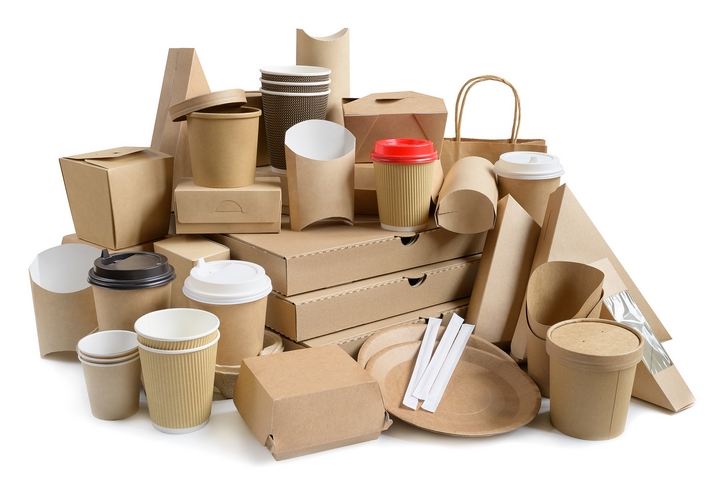
Popular sustainable solutions include:
Automation-compatible packaging improves overall supply chain performance.
Damaged products create additional shipping and replacement costs.
Strong protective packaging helps:
Durable designs save businesses money by minimizing losses.
Advancements in packaging materials are helping businesses improve shipping efficiency.
Innovations include:
These innovations improve durability while keeping transportation costs low.
Experienced product packaging manufacturers analyze shipping requirements carefully before developing solutions.
They consider factors such as:
This strategic approach helps businesses optimize packaging for maximum efficiency and reduced expenses.
The future of packaging will continue to focus on logistics optimization and sustainability.
Emerging trends include:
These advancements will further improve efficiency across global supply chains.
Efficient packaging is essential for reducing shipping costs while maintaining product safety and operational efficiency. By using lightweight materials, compact designs, and advanced structural solutions, businesses can significantly improve logistics performance.
Modern packaging strategies not only reduce transportation expenses but also support sustainability, automation, and customer satisfaction. As shipping demands continue to evolve, optimized packaging solutions will remain a key factor in improving business profitability and supply chain efficiency.

Ajman, United Arab Emirates
+971 56 460 2001