


Need help?
+971 56 460 2001
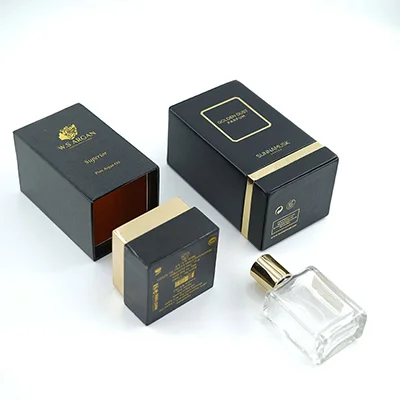
Luxury perfumes are more than fragrances, they are experiences. From the weight of the bottle to the texture of the outer box, every packaging element influences how customers perceive the brand. In the world of premium fragrance products, selecting the right materials is a critical part of successful perfumes and cosmetics packaging
High-end perfume packaging must deliver elegance, durability, and exclusivity while protecting delicate fragrance formulations. Let’s explore the most popular packaging materials used in luxury perfume presentation.
Glass remains the most iconic material in high-end perfume packaging.
Why Glass is Preferred:
Luxury brands often use thick, heavy glass to create a premium feel. Frosted glass, colored glass, or custom-molded shapes add uniqueness to Perfumes and Cosmetics Packaging.
Crystal-clear or tinted glass enhances visual appeal while reinforcing brand identity.
For ultra-premium fragrance lines, some brands use decorative or crystal-inspired glass. These materials elevate the perceived value of the product through:
These elements transform perfume bottles into collectible pieces.
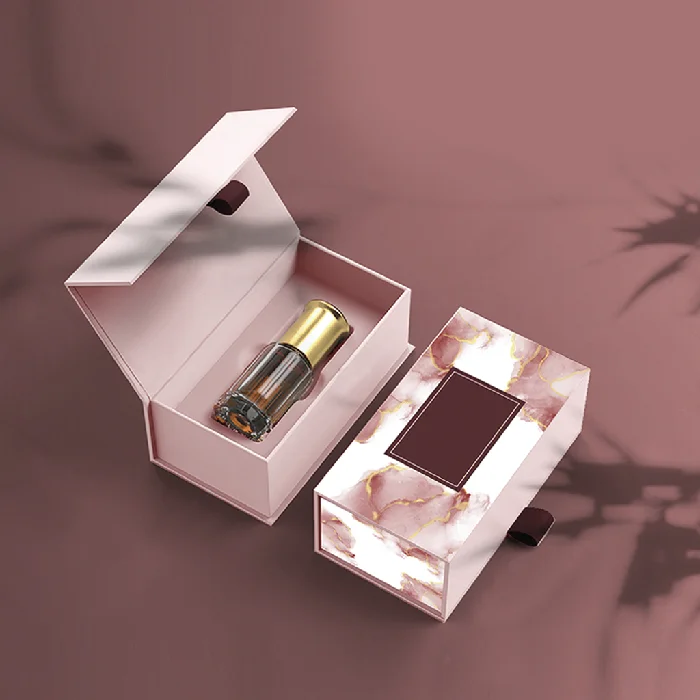
Metal accents are widely used in luxury perfume packaging.
Common metals include:
Metal caps, collars, and decorative elements add weight and refinement. Gold, rose gold, matte black, or brushed silver finishes enhance exclusivity in Perfumes and Cosmetics Packaging.
Metal components also improve durability compared to plastic alternatives.
Outer packaging plays a major role in premium perfume presentation.
Luxury perfume boxes are typically made from:
Rigid boxes offer a strong structure and upscale unboxing experience. They also allow advanced finishing techniques like:
These elements significantly enhance brand perception.
To protect and showcase perfume bottles, high-end brands often use fabric-based inserts.
Common materials include:
These inserts prevent movement inside the box while creating a luxurious tactile experience.
Fabric details elevate Perfumes and Cosmetics Packaging beyond simple protection into a sensory experience.
While sustainability is increasingly important, certain premium designs use acrylic for:
High-quality acrylic provides clarity similar to glass but with lighter weight. However, many luxury brands are now replacing traditional plastics with recyclable alternatives.
Modern luxury packaging increasingly incorporates eco-conscious materials without sacrificing elegance.
Examples include:
Sustainable Perfumes and Cosmetics Packaging appeals strongly to modern consumers who value both luxury and environmental responsibility.
For limited-edition collections, brands sometimes use leather-textured coverings on outer boxes. These materials create:
Such finishes are typically used for collector editions or gift sets.
In the luxury fragrance market, packaging influences:
Businesses should evaluate:
The right combination of glass, metal, rigid board, and premium finishes ensures that Perfumes and Cosmetics Packaging aligns with the exclusivity of the fragrance itself.
At Al Wasl Pack, we understand that high-end perfumes require packaging that reflects sophistication and precision.
We provide tailored Perfumes and Cosmetics Packaging solutions including:p>
Our approach combines aesthetics, durability, and brand storytelling to help fragrance brands stand out in competitive markets.
High-end perfume packaging relies on carefully selected materials that communicate luxury, protection, and refinement. From premium glass bottles and metal caps to rigid boxes and fabric inserts, each material contributes to the overall brand experience.
Modern trends also show a shift toward sustainable luxury, proving that elegance and environmental responsibility can coexist in premium Perfumes and Cosmetics Packaging.
For brands aiming to position their fragrances in the luxury segment, investing in superior packaging materials is not optional, it is essential.

Ajman, United Arab Emirates
+971 56 460 2001