


Need help?
+971 56 460 2001
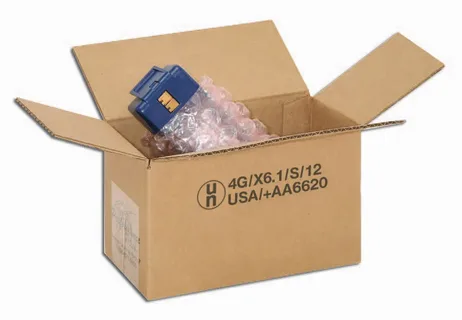
Battery-powered products are now essential across industries such as consumer electronics, medical devices, automotive systems, and industrial equipment. While battery technology continues to evolve, battery packaging plays a critical role in ensuring safe handling, storage, and transportation. Poorly tested packaging can lead to serious risks including leakage, overheating, short circuits, and even fire hazards.
At Al Wasl Pack, battery packaging is designed with safety, performance, and regulatory compliance in mind. This blog explores the key methods used to test battery packaging for performance and safety, helping businesses ensure reliability before products reach the market.
Battery packaging is not just about containment, it is a safety system. Effective testing ensures that packaging can withstand real-world conditions without compromising the battery or surrounding environment.
Proper testing helps:
Al Wasl Pack integrates testing into the packaging development process to deliver dependable battery packaging solutions.
Understanding Performance and Safety RequirementsBefore testing begins, it is essential to define performance and safety requirements based on the battery type and application.
Key considerations include:
Different batteries require different testing protocols. Al Wasl Pack tailors testing strategies to match specific battery risks and compliance needs.
Physical Strength and Durability TestingBattery packaging must protect batteries from physical damage during handling and transportation.
Common physical tests include:
These tests ensure that battery packaging maintains its structural integrity under stress. Al Wasl Pack conducts these tests to confirm packaging durability.
Thermal Performance TestingBatteries generate heat during operation and may be exposed to temperature variations during storage and transit. Battery packaging must manage thermal risks effectively.
Thermal testing evaluates:
Al Wasl Pack designs battery packaging that supports thermal stability while minimizing overheating risks.
Electrical Insulation and Short-Circuit PreventionOne of the most critical safety functions of battery packaging is preventing electrical contact that could cause short circuits.
Testing in this area includes:
Al Wasl Pack ensures that battery packaging designs provide proper insulation and separation to reduce electrical hazards.
Leakage and Containment TestingIn rare cases, batteries may leak electrolytes or gases. Packaging must be capable of containing these safely.
Leakage testing involves:
These tests help verify that battery packaging can contain leaks without spreading contamination.
Environmental Resistance TestingBattery packaging must perform under various environmental conditions.
Environmental tests include:
Al Wasl Pack evaluates packaging performance across different environmental conditions to ensure long-term reliability.
Transportation and Compliance TestingMany batteries, especially lithium-based types, are subject to strict transportation regulations.
Compliance testing may include:
Al Wasl Pack designs and tests battery packaging to align with transportation safety standards, reducing shipment delays and compliance risks.
Seal Integrity and Closure TestingSecure sealing is essential to prevent accidental openings and exposure.
Seal testing includes:
Al Wasl Pack ensures that packaging closures remain secure throughout handling and distribution.
Prototype Testing and ValidationBefore mass production, prototypes are tested to validate design assumptions.
Prototype testing helps:
Al Wasl Pack works closely with clients during prototype testing to refine battery packaging designs before final approval.
Ongoing Quality MonitoringTesting does not stop after design approval. Continuous quality monitoring ensures consistency during production.
This includes:
Al Wasl Pack maintains strict quality monitoring to ensure every packaging unit meets safety standards.
Why Choose Al Wasl Pack for Tested Battery PackagingAl Wasl Pack provides:
Our commitment to safety and performance ensures that battery packaging meets real-world demands.
ConclusionTesting battery packaging for performance and safety is essential to protect products, people, and brands. From physical durability and thermal resistance to electrical insulation and regulatory compliance, thorough testing ensures packaging performs under real-world conditions.
With Al Wasl Pack, businesses benefit from expertly designed and tested battery packaging solutions that prioritize safety, reliability, and compliance at every stage.
1. Why is battery packaging testing necessary?
Testing ensures that packaging can safely protect batteries under physical, thermal, and electrical stress.
2. What types of tests are used for battery packaging?
Common tests include drop, vibration, thermal, insulation, leakage, and compliance testing.
3. Are lithium batteries tested differently than other batteries?
Yes, lithium batteries require stricter safety and compliance testing due to higher risk factors.
4. Can battery packaging prevent short circuits?
Yes, proper insulation and separation in packaging help prevent short circuits.
5. Does battery packaging need to meet transportation regulations?
Yes, especially for lithium batteries, packaging must meet international transport standards.

Ajman, United Arab Emirates
+971 56 460 2001