


Need help?
+971 56 460 2001
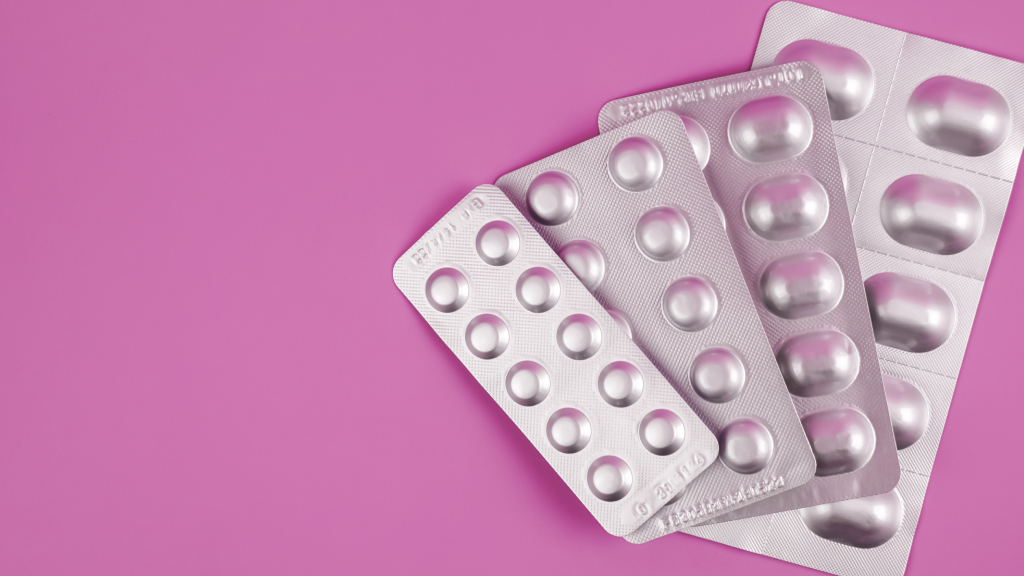
In today’s competitive marketplace, packaging must do more than simply contain a product. It must protect, preserve, and present it effectively. Among the most widely used packaging formats across industries is Blister packaging, known for its durability, transparency and tamper-evident features.
From pharmaceuticals to electronics, Blister pack packaging has become a preferred solution for companies seeking secure, cost-efficient, and visually appealing packaging. With the support of experienced Blister packaging suppliers, businesses across multiple sectors rely on this packaging format to maintain product integrity and enhance shelf appeal.
The pharmaceutical sector is the largest user of blister packaging worldwide.
Medicines such as tablets, capsules, and lozenges are commonly sealed in blister packs to ensure:
Blister packaging plays a crucial role in maintaining drug safety and regulatory compliance. High-barrier materials such as aluminum foil are often used to protect sensitive medications.
Because of strict quality standards, pharmaceutical companies typically work with specialized blister packaging suppliers who meet regulatory and hygiene requirements.
Beyond pharmaceuticals, healthcare products also rely heavily on blister pack packaging.
Common examples include:
Blister packaging ensures sterility, product visibility, and single-use safety. The ability to seal medical items securely makes it an essential packaging method in hospitals and clinics.
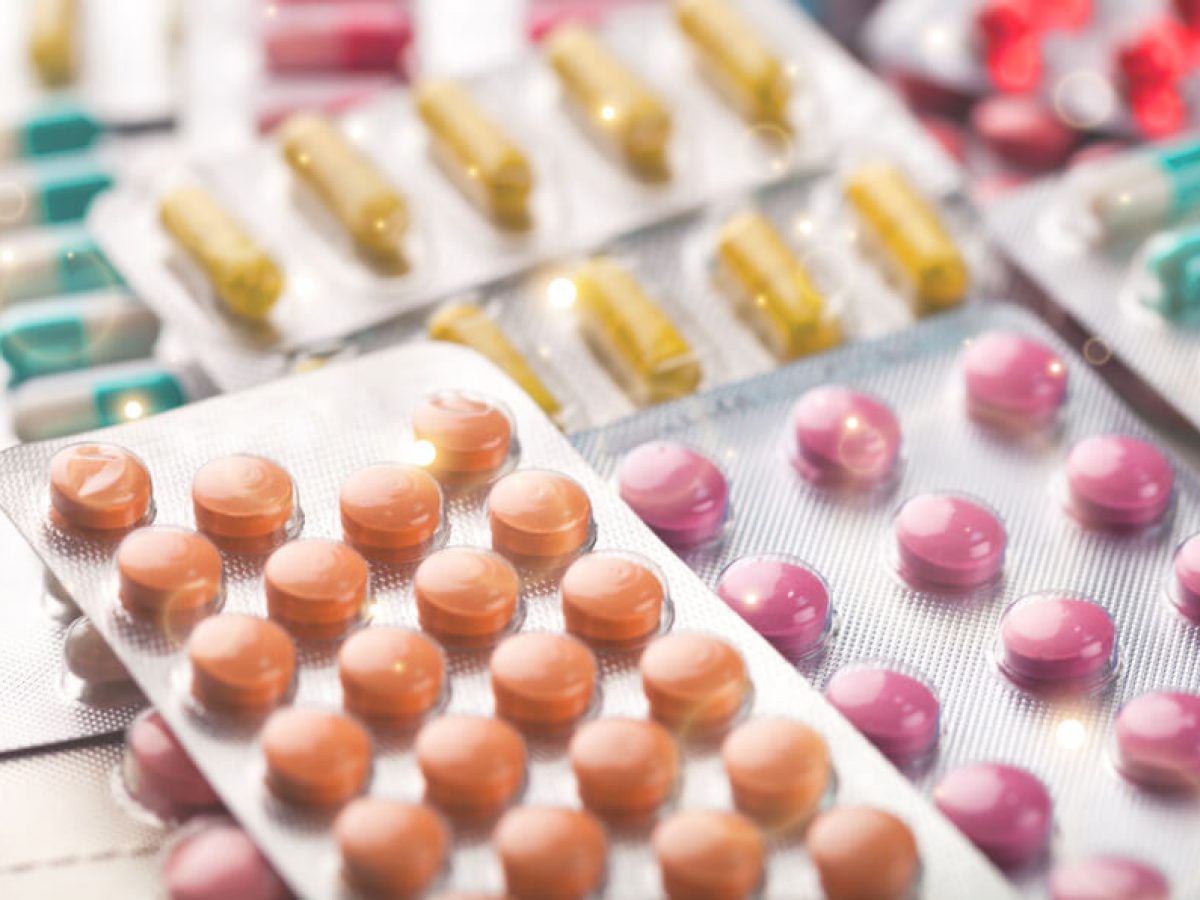
Small electronic items are frequently packaged using blister formats. Examples include:
Blister packaging offers clear product visibility while protecting against dust and minor physical damage. It also discourages theft in retail environments due to its sealed structure.
any electronics brands collaborate with blister packaging suppliers to design custom-shaped cavities that hold products securely during transport.
Certain food products benefit from blister pack packaging, particularly:
Blister packaging protects food from contamination and provides portion control. It also enhances shelf display in retail environments.
Food-grade materials are required to meet safety regulations, making supplier expertise essential.
The cosmetics industry uses blister packaging for:
This packaging format allows customers to see the product clearly before purchase, increasing buying confidence.
For brands focusing on presentation, blister packaging offers a clean and professional appearance that aligns with modern retail expectations.
Blister packaging is extremely popular in the hardware sector. Commonly packaged items include:
The sealed format prevents product loss and allows customers to inspect items without opening the pack.
Blister pack packaging is particularly effective in self-service retail environments, where durability and product visibility are key.
Small automotive components such as:
are often packaged in blister formats to prevent loss and improve retail presentation.
The widespread use of blister packaging across these sectors is due to its combination of functional and commercial benefits:
Experienced blister packaging suppliers help industries tailor packaging formats to meet specific product and regulatory needs.
At Al Wasl Pack, we provide customized blister packaging solutions for diverse industries including pharmaceuticals, electronics, cosmetics, food, and retail hardware.
Our expertise includes:
By partnering with reliable blister packaging suppliers like Al Wasl Pack, businesses ensure product safety, improved shelf impact, and consistent packaging performance.
Blister packaging remains one of the most versatile and widely used packaging formats across multiple industries. From pharmaceutical tablets and medical devices to electronics accessories and retail hardware, blister pack packaging provides a secure, practical, and visually appealing solution.
Industries that prioritize product protection, compliance, and retail presentation continue to rely on experienced blister packaging suppliers to deliver high-quality results. As demand for safe and efficient packaging grows, blister packaging will remain a leading choice for businesses worldwide.

Ajman, United Arab Emirates
+971 56 460 2001