


Need help?
+971 56 460 2001
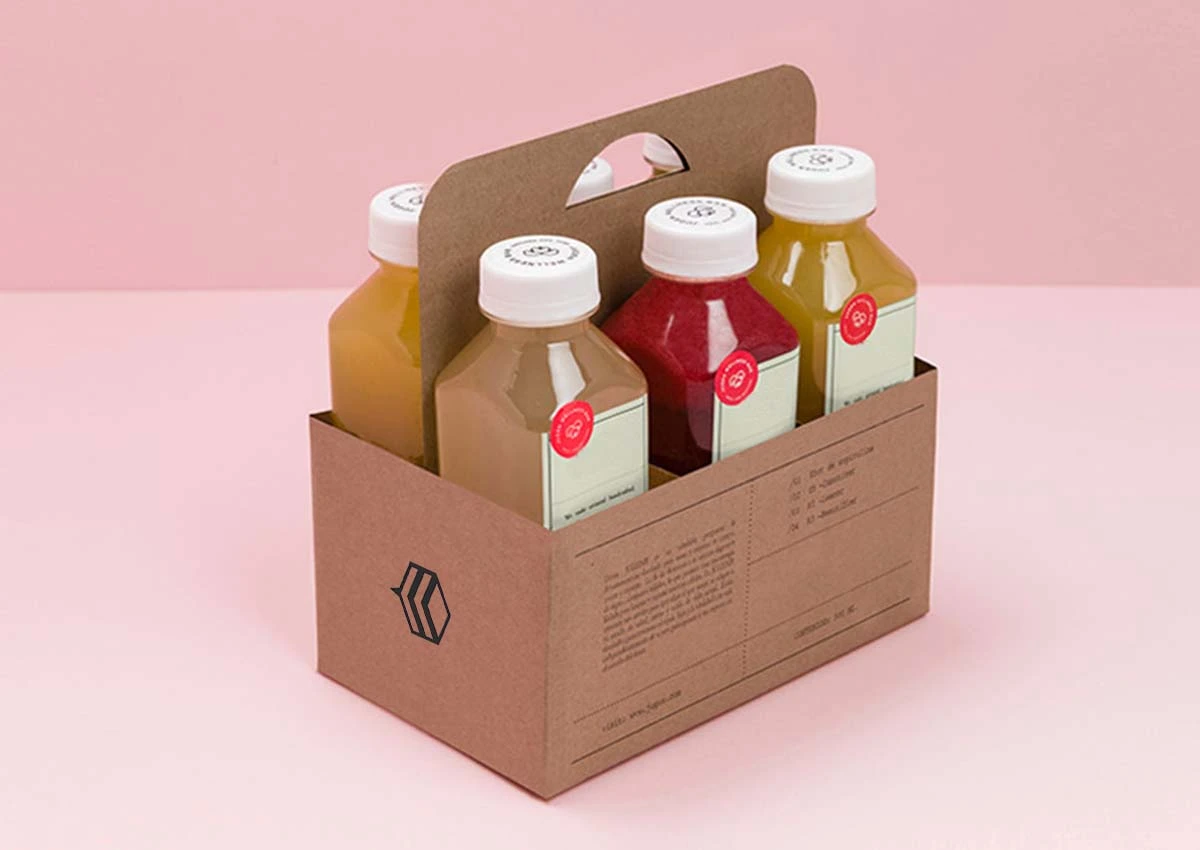
The packaging industry is continuously evolving as businesses seek solutions that improve efficiency, reduce costs, and support sustainability goals. One trend that has gained significant momentum in recent years is the adoption of lightweight packaging bottles. Manufacturers across industries such as food and beverage, cosmetics, pharmaceuticals, and household products are increasingly moving toward lighter packaging solutions that maintain durability while reducing material usage.
This shift is not merely a response to cost pressures. It reflects changing consumer expectations, environmental concerns, and advancements in packaging technology that make lightweight designs both practical and reliable.
As global supply chains become more complex, businesses are looking for ways to optimize transportation and storage. Packaging plays a major role in this process because its weight directly impacts logistics costs.
A lighter container allows companies to move products more efficiently while maintaining the level of protection customers expect. As a result, lightweight designs have become an attractive option for businesses seeking long-term operational improvements.
One of the biggest advantages of lighter containers is the reduction in shipping costs.
When overall package weight decreases, businesses can benefit from:
These savings become particularly significant for companies that distribute products across multiple regions or international markets.
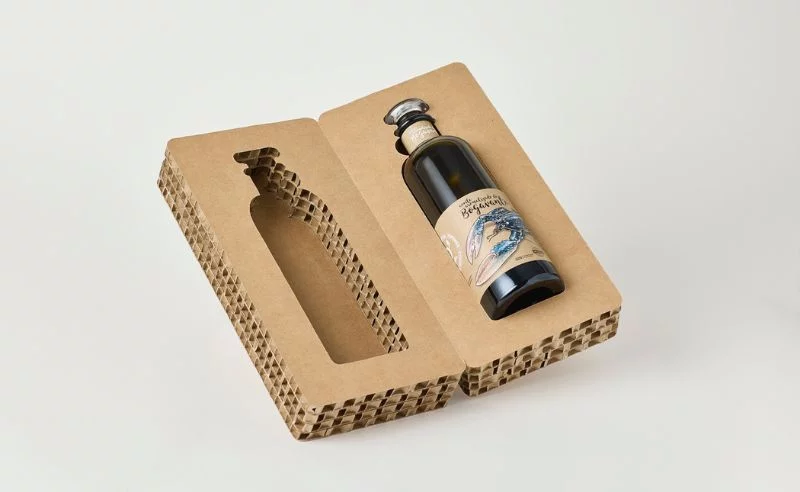
Modern manufacturing technologies allow producers to create durable bottles using less raw material than traditional designs.
This approach helps businesses:
By carefully engineering bottle structures, manufacturers can achieve strength and durability without excessive material use.
Environmental responsibility has become a key priority for businesses and consumers alike. Companies are increasingly expected to reduce their environmental footprint while maintaining product quality.
Lighter packaging contributes to sustainability by lowering resource consumption and reducing transportation-related emissions. It also supports recycling initiatives by minimizing the amount of material entering the waste stream.
For many organizations, adopting environmentally responsible packaging solutions has become an important part of their corporate strategy.
Consumers appreciate packaging that is convenient and easy to handle. Heavy containers can sometimes create challenges during transportation, storage, and everyday use.
Lighter designs offer several practical benefits:
These factors contribute to a positive customer experience and can influence purchasing decisions.
The success of lightweight packaging would not be possible without significant improvements in material science.
Today's materials provide:
These innovations enable manufacturers to produce containers that are both lightweight and capable of protecting products throughout their lifecycle.
Efficient storage is another important benefit of modern bottle design. Reduced weight and optimized structures help businesses improve warehouse operations and inventory management.
Companies can often achieve:
These operational advantages contribute to overall supply chain performance.
The cost savings associated with lightweight designs extend beyond manufacturing and transportation.
Businesses may experience reduced expenses in areas such as:
When these savings are combined, they can have a meaningful impact on profitability.
Many sectors are embracing lightweight bottle solutions as part of their packaging strategies.
Industries leading this transition include food and beverage manufacturers, cosmetic brands, pharmaceutical companies, cleaning product manufacturers, and personal care businesses.
These industries benefit from improved efficiency while continuing to meet customer expectations for quality and performance.
Despite the many advantages, designing lighter containers requires careful planning and engineering.
Manufacturers must ensure that products continue to provide:
Achieving the right balance between weight reduction and performance remains a critical consideration.
The future of packaging is expected to focus on even greater efficiency and sustainability. Advances in manufacturing technology will continue to improve material performance while reducing environmental impact.
Emerging developments include recycled materials, bio-based alternatives, smart packaging technologies, and advanced design software that helps optimize packaging structures before production begins.
These innovations will further accelerate the adoption of lightweight solutions across global industries.
The growing popularity of lightweight packaging bottles reflects a broader shift toward efficiency, sustainability, and customer convenience. By reducing material usage, lowering transportation costs, and improving operational performance, these solutions offer significant advantages for manufacturers and consumers alike.
As technology continues to evolve, lightweight bottle designs are expected to become an increasingly important part of modern packaging strategies. Businesses that adopt these innovations can improve profitability while supporting environmental goals and enhancing the overall customer experience.

Ajman, United Arab Emirates
+971 56 460 2001